More About This Card
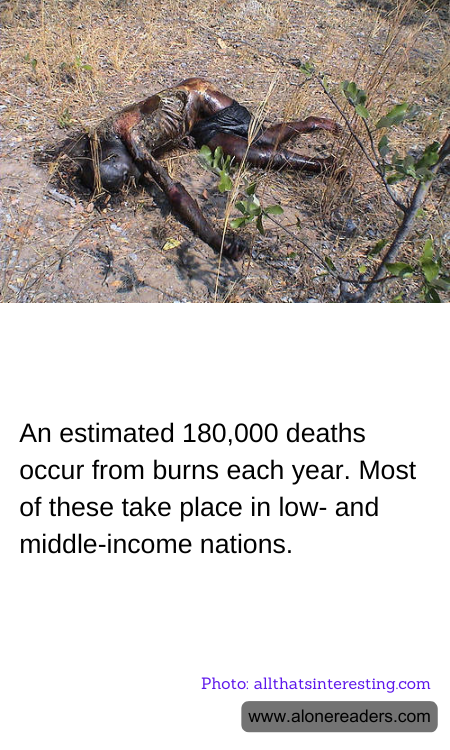
Burns are a significant global health issue, with an estimated 180,000 deaths occurring each year as a result of these injuries. The majority of these fatalities happen in low- and middle-income countries, where access to adequate medical care and preventive measures is often limited. This alarming statistic highlights the urgent need for increased awareness, prevention strategies, and improved healthcare infrastructure to address this preventable cause of death.
In many low- and middle-income nations, the risk of burns is exacerbated by factors such as the use of open fires for cooking and heating, unsafe housing conditions, and limited access to electricity. These conditions create environments where accidents are more likely to occur, particularly among vulnerable populations such as children and the elderly. In these regions, burns are not only a health issue but also a socio-economic burden, as they can lead to prolonged hospital stays, permanent disabilities, and significant financial strain on families.
Preventive measures are crucial in reducing the incidence of burns. Education plays a key role in this regard, as raising awareness about the dangers of open flames, hot liquids, and electrical hazards can help communities adopt safer practices. Simple interventions, such as promoting the use of safer cooking stoves, installing smoke alarms, and ensuring that homes have proper ventilation, can significantly reduce the risk of burns. Additionally, community-based programs that teach first aid and emergency response can empower individuals to act quickly and effectively in the event of a burn injury.
Improving healthcare infrastructure is also essential in addressing the high mortality rate associated with burns in these regions. Many low- and middle-income countries lack specialized burn units and trained medical personnel, which can lead to inadequate treatment and care. Investing in healthcare systems to provide better access to burn care, including skin grafting and rehabilitation services, can improve outcomes for burn victims and reduce the long-term impact of these injuries.
International collaboration and support are vital in tackling the global burden of burns. Organizations such as the World Health Organization and various non-governmental organizations are working to implement strategies that address the root causes of burn injuries and improve care for those affected. By fostering partnerships and sharing knowledge, the global community can help reduce the incidence of burns and improve the quality of life for those living in high-risk areas.
Ultimately, reducing the number of deaths from burns requires a multifaceted approach that combines education, prevention, and improved healthcare access. By addressing the underlying factors that contribute to burn injuries and enhancing the capacity to treat them, we can make significant strides in reducing the toll of burns worldwide and ensure a safer future for all.