More About This Card
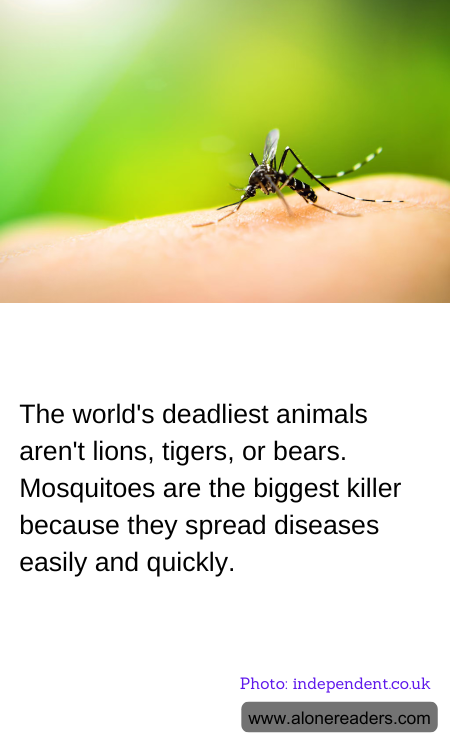
When we think of the world's deadliest animals, our minds often conjure images of ferocious predators like lions, tigers, or bears. These majestic creatures, with their sharp claws and powerful jaws, certainly command respect and caution. However, the true menace in the animal kingdom is far less conspicuous and far more pervasive: the mosquito. This tiny insect is responsible for more human deaths each year than any other creature on the planet, not through direct attack, but through the diseases it spreads.
Mosquitoes are vectors for a host of deadly diseases, including malaria, dengue fever, Zika virus, and yellow fever. Malaria alone claims the lives of over 400,000 people annually, with the majority being children under the age of five in sub-Saharan Africa. The mosquito's ability to transmit these diseases so effectively is due to its widespread presence and its lifecycle, which is intricately linked to human environments. Mosquitoes breed in stagnant water, which is abundant in many parts of the world, especially in regions with inadequate sanitation and water management systems.
The global impact of mosquito-borne diseases is staggering. They not only cause significant mortality but also place a heavy burden on healthcare systems and economies, particularly in developing countries. The fight against these diseases involves a multifaceted approach, including the development of vaccines, distribution of insecticide-treated bed nets, and community education on preventive measures. Despite these efforts, the adaptability of mosquitoes and their resistance to insecticides pose ongoing challenges.
One of the reasons mosquitoes are so effective at spreading disease is their ability to thrive in a variety of climates and conditions. Climate change and urbanization have expanded their habitats, bringing them into closer contact with human populations. This has led to outbreaks in regions previously unaffected by certain mosquito-borne diseases, highlighting the need for global cooperation in monitoring and controlling mosquito populations.
While the threat posed by mosquitoes is significant, it is not insurmountable. Continued research and innovation in disease prevention and mosquito control are crucial. Public health initiatives, such as the development of genetically modified mosquitoes that are unable to reproduce, offer promising avenues for reducing mosquito populations and the diseases they carry.
In conclusion, while lions, tigers, and bears may capture our imagination as the quintessential predators, it is the humble mosquito that poses the greatest threat to human life. By understanding the role mosquitoes play in disease transmission and investing in comprehensive control strategies, we can mitigate their impact and save countless lives. The battle against mosquitoes is a reminder of the interconnectedness of our world and the importance of collective action in addressing global health challenges.