More About This Card
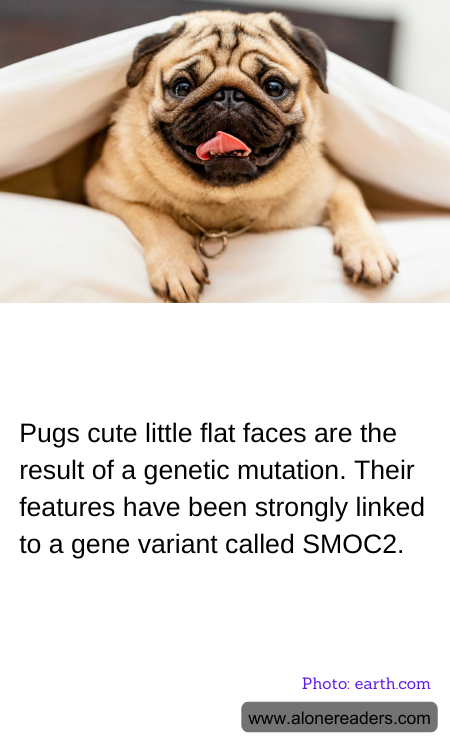
Pugs, with their adorable flat faces and endearing expressions, have captured the hearts of dog lovers worldwide. These charming features, however, are not just a product of selective breeding but are deeply rooted in genetics. Recent studies have shed light on the genetic underpinnings of the pug's distinctive appearance, linking it to a specific gene variant known as SMOC2.
The SMOC2 gene variant plays a crucial role in the development of the pug's facial structure. This gene is responsible for the unique craniofacial morphology that gives pugs their characteristic flat faces. While these features are undeniably cute, they are the result of a genetic mutation that affects the bone structure of the skull. This mutation causes the bones to grow in a way that results in the shortened snout and the wide-set eyes that are so typical of the breed.
Despite their popularity, the genetic mutation that gives pugs their distinctive look can also lead to health challenges. The flat face, while endearing, can cause breathing difficulties, a condition known as brachycephalic obstructive airway syndrome (BOAS). This condition can lead to snoring, difficulty in breathing, and in severe cases, can affect the dog's overall quality of life. It is important for pug owners to be aware of these potential health issues and to ensure their pets receive regular veterinary care.
The discovery of the SMOC2 gene variant's role in shaping the pug's appearance is a significant step forward in understanding the genetic basis of dog breeds. It highlights the complex relationship between genetics and physical traits, offering insights into how certain features are inherited and expressed. This knowledge not only helps breeders make informed decisions but also aids veterinarians in providing better care for these beloved pets.
While the genetic mutation responsible for the pug's flat face is a fascinating aspect of canine genetics, it also serves as a reminder of the responsibilities that come with breeding and owning such dogs. Ensuring that pugs lead healthy, happy lives requires a balance between appreciating their unique looks and addressing the health challenges that may arise from their genetic makeup.
In conclusion, the pug's cute little flat face is more than just a charming feature; it is a testament to the intricate world of genetics. As we continue to learn more about the genetic factors that shape our beloved pets, it is essential to prioritize their well-being, ensuring that their adorable appearances do not come at the cost of their health and happiness.