More About This Card
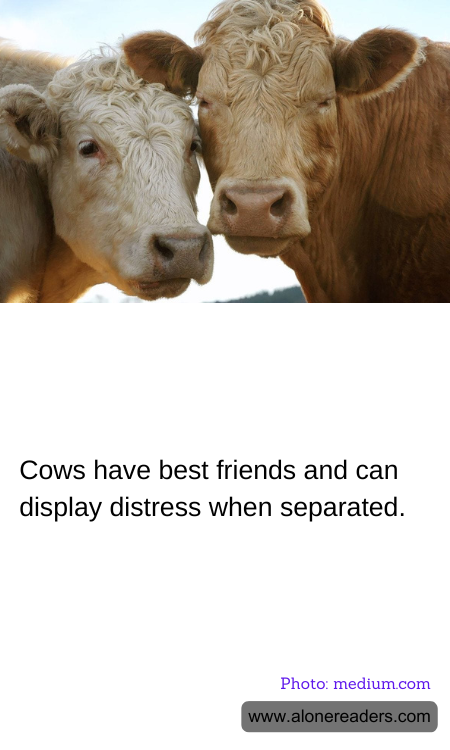
In the vast tapestry of the animal kingdom, cows are often perceived as simple creatures, primarily valued for their milk and meat. However, recent studies have unveiled a fascinating aspect of bovine behavior that challenges this simplistic view: cows have best friends and can exhibit signs of distress when separated from them. This revelation not only enriches our understanding of these gentle giants but also prompts a reevaluation of how they are treated in agricultural settings.
Cows are inherently social animals, living in herds where they form complex social structures. Within these groups, individual cows often develop strong bonds with specific companions, akin to human friendships. Researchers have observed that cows tend to spend more time with their chosen friends, engaging in activities such as grazing, resting, and grooming. These friendships are not random; cows show a clear preference for certain individuals, and these bonds can last for years.
The emotional depth of these relationships becomes particularly evident when cows are separated from their best friends. Studies have shown that cows exhibit signs of stress and anxiety when their companions are removed. This distress is measurable through increased heart rates and vocalizations, as well as changes in behavior such as restlessness and reduced appetite. Such reactions are comparable to the separation anxiety observed in more traditionally recognized intelligent animals like dogs and primates.
Understanding the social dynamics of cows has significant implications for their welfare. In many farming operations, cows are often treated as interchangeable units, with little regard for their social needs. However, recognizing that cows form meaningful bonds suggests that their emotional well-being should be considered in farming practices. Providing environments where cows can maintain their friendships could lead to healthier and more content animals, which in turn can improve productivity and reduce stress-related issues.
Moreover, this insight into cow behavior encourages a broader conversation about the ethical treatment of animals. It challenges us to consider the emotional lives of animals that are often overlooked and to acknowledge that intelligence and emotional capacity are not exclusive to humans or traditionally recognized intelligent species. By fostering environments that respect the social needs of cows, we not only enhance their quality of life but also align agricultural practices with a more compassionate and ethical approach to animal husbandry.
In conclusion, the discovery that cows have best friends and experience distress when separated from them is a testament to the complexity of animal emotions. It invites us to look beyond the utilitarian view of livestock and appreciate the rich social lives that these animals lead. As we continue to learn more about the emotional capacities of cows, it becomes increasingly important to integrate this knowledge into practices that promote their welfare and dignity.