More About This Card
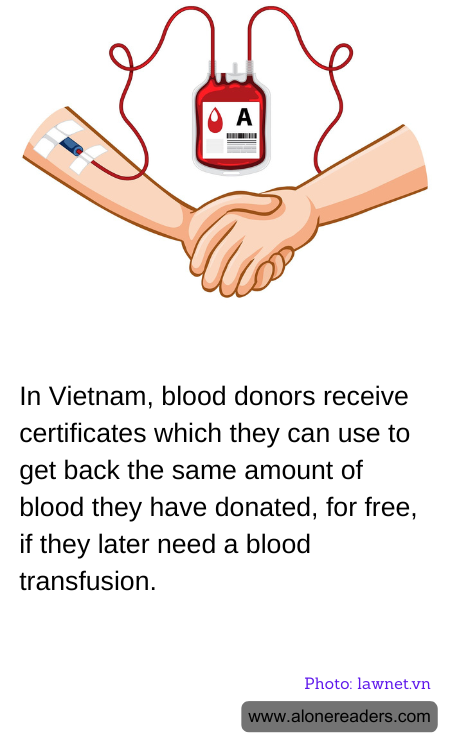
In Vietnam, a unique and thoughtful approach to blood donation has been implemented, offering a sense of security and reciprocity to those who give the gift of life. Blood donors in the country receive certificates that entitle them to reclaim the same amount of blood they have donated, free of charge, should they ever find themselves in need of a transfusion. This innovative system not only encourages more people to donate blood but also fosters a community spirit of mutual support and care.
The concept of rewarding blood donors with certificates is a testament to Vietnam's commitment to ensuring a stable and reliable blood supply. By providing donors with a tangible benefit, the program addresses both the immediate need for blood and the long-term security of the donors themselves. This system acts as a safety net, offering peace of mind to donors who can rest assured that their generosity will be reciprocated if they ever face medical emergencies requiring blood transfusions.
This approach has proven to be particularly effective in a country where cultural beliefs and misconceptions about blood donation can sometimes act as barriers. By offering a direct and personal benefit, the program helps to dispel myths and encourages more individuals to participate in blood donation drives. It transforms the act of donating blood from a purely altruistic gesture into a mutually beneficial exchange, thereby increasing participation rates and ensuring a more robust blood supply for hospitals and clinics across the nation.
Moreover, the certificate system highlights the importance of community and solidarity. It reinforces the idea that each donation is not just a contribution to an anonymous pool but a personal investment in the health and well-being of the community. This sense of interconnectedness is vital in fostering a culture where individuals are more willing to help one another, knowing that their contributions are both valued and reciprocated.
The success of this initiative in Vietnam could serve as a model for other countries facing similar challenges in maintaining adequate blood supplies. By recognizing and rewarding donors in a meaningful way, it is possible to create a sustainable and self-replenishing system that benefits both donors and recipients. This innovative approach not only saves lives but also strengthens the social fabric, reminding us all of the power of giving and the importance of looking out for one another.
In conclusion, Vietnam's blood donation certificate program is a shining example of how thoughtful policy can enhance public health initiatives. By ensuring that donors are both appreciated and protected, the program not only meets the immediate needs of patients but also builds a stronger, more resilient community. As more people become aware of the benefits of donating blood, the hope is that this model will inspire similar efforts worldwide, ultimately leading to healthier societies and more lives saved.