More About This Card
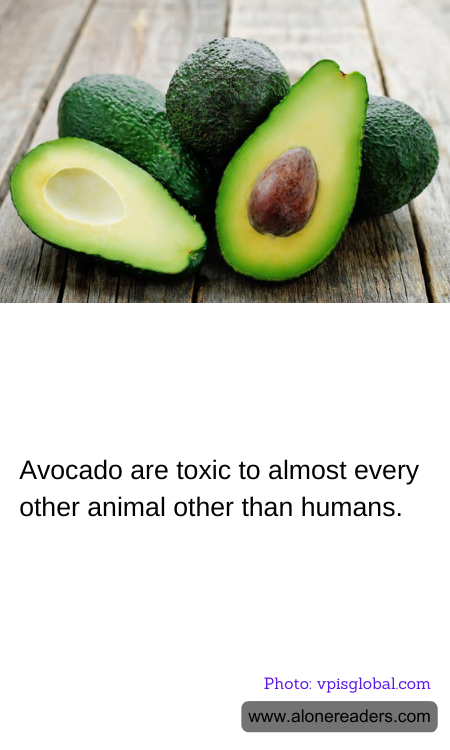
Avocados, often celebrated for their creamy texture and rich nutritional profile, are a staple in many human diets. However, what many people may not realize is that this beloved fruit can be toxic to a wide range of animals. While humans enjoy avocados in salads, smoothies, and on toast, the same fruit poses a significant risk to pets and wildlife.
The primary culprit behind this toxicity is a compound called persin. Persin is a fungicidal toxin present in the leaves, skin, and pit of the avocado, and to a lesser extent, in the flesh. While humans can safely consume persin in the amounts present in avocados, many animals cannot. Birds, for instance, are particularly sensitive to persin. Even small amounts can lead to respiratory distress, congestion, fluid accumulation around the heart, and potentially death. Similarly, animals such as rabbits, horses, and goats can suffer from severe health issues if they ingest avocado or its parts.
Dogs and cats, common household pets, are also at risk. Although they are less sensitive to persin than birds, ingestion can still lead to gastrointestinal upset, including vomiting and diarrhea. In some cases, more severe symptoms such as pancreatitis can occur. Moreover, the large pit of the avocado poses a choking hazard and can cause intestinal blockages if swallowed.
The risk extends beyond domestic animals. In regions where avocados are grown, wildlife such as cattle and sheep can inadvertently consume fallen avocados. This can lead to mastitis, a painful inflammation of the mammary glands, and other health complications. Farmers and pet owners in these areas need to be particularly vigilant to prevent accidental ingestion by animals.
Despite these risks, avocados remain a popular and nutritious food for humans. They are rich in healthy fats, vitamins, and minerals, making them a valuable addition to a balanced diet. However, it is crucial for avocado lovers to be aware of the potential dangers to animals and to take precautions. This includes disposing of avocado waste responsibly and ensuring that pets and wildlife do not have access to the fruit.
In conclusion, while avocados are a superfood for humans, they are far from super for many animals. Understanding the risks associated with avocados and taking steps to mitigate them can help protect our furry and feathered friends. By being informed and cautious, we can enjoy the benefits of avocados while ensuring the safety of the animals around us.