More About This Card
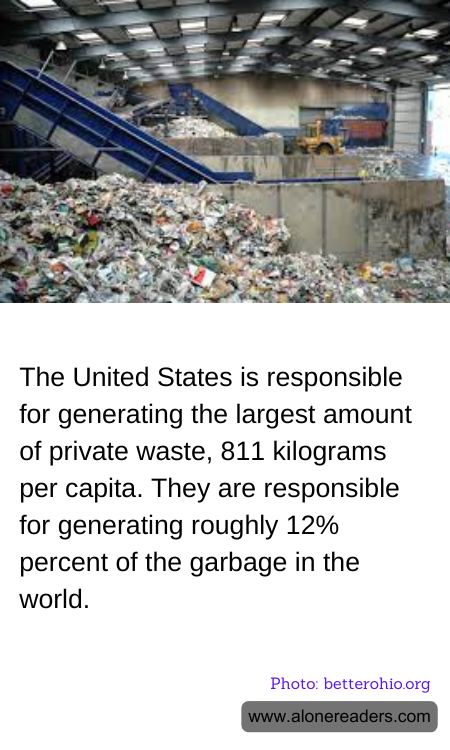
In today's world, where environmental sustainability is a pressing concern, the United States stands out as a significant contributor to global waste production. With an average of 811 kilograms of private waste generated per capita, the U.S. holds the record for the highest amount of waste produced by any country. This staggering figure translates to the United States being responsible for approximately 12% of the world's total garbage output. These statistics highlight the urgent need for a shift in waste management practices and consumer behavior to mitigate the environmental impact.
The reasons behind the United States' substantial waste generation are multifaceted. A culture of consumerism, characterized by the constant pursuit of new products and the rapid turnover of goods, plays a significant role. The convenience-driven lifestyle, with its reliance on single-use items and excessive packaging, further exacerbates the problem. Additionally, the lack of stringent regulations and incentives for recycling and waste reduction contribute to the high levels of waste production.
Addressing this issue requires a comprehensive approach that involves individuals, businesses, and policymakers. On a personal level, Americans can make conscious choices to reduce their waste footprint. Simple actions such as opting for reusable products, minimizing food waste, and recycling diligently can collectively make a significant difference. Education and awareness campaigns can empower citizens to make informed decisions that align with sustainable practices.
Businesses, too, have a crucial role to play in curbing waste generation. By adopting sustainable practices, such as designing products with longer lifespans, reducing packaging, and implementing efficient recycling programs, companies can significantly reduce their environmental impact. Moreover, embracing the principles of a circular economy, where products are designed to be reused, repaired, and recycled, can lead to a more sustainable future.
Policymakers must also step up to the challenge by enacting and enforcing regulations that promote waste reduction and recycling. Incentives for businesses that adopt sustainable practices, along with penalties for excessive waste production, can drive meaningful change. Investment in waste management infrastructure, including recycling facilities and composting programs, is essential to support these efforts.
The United States' position as a leading waste producer underscores the need for a collective commitment to change. By fostering a culture of sustainability and responsibility, the nation can reduce its waste footprint and set an example for the rest of the world. The journey towards a more sustainable future is a shared responsibility, and it begins with recognizing the impact of our choices and taking decisive action to protect our planet for future generations.