More About This Card
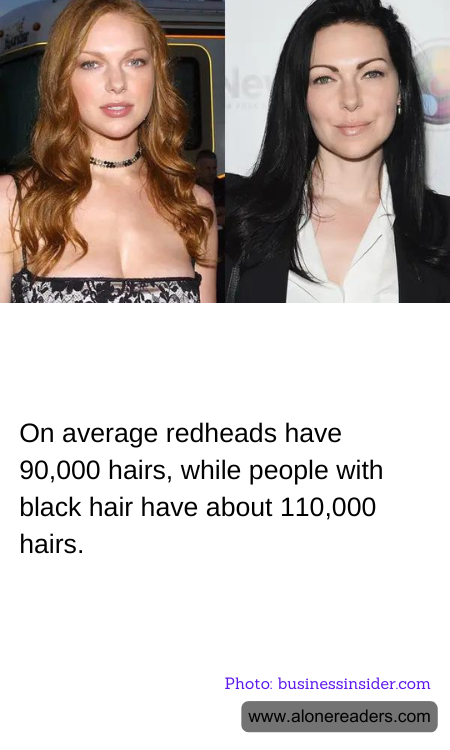
Hair color is one of the most noticeable features of human appearance, and it varies widely across different populations. Among the many fascinating aspects of hair color is the correlation between hair color and hair density. On average, redheads have approximately 90,000 hairs on their scalp, whereas individuals with black hair typically have about 110,000 hairs. This intriguing difference in hair density is not only a curious fact but also a reflection of the diverse genetic makeup that contributes to human diversity.
The variation in hair density among different hair colors can be attributed to genetic factors. Red hair is the rarest natural hair color in the world, primarily due to the presence of a recessive gene known as MC1R. This gene affects the type of melanin produced in the hair follicles, resulting in the distinctive red hue. The same genetic factors that influence hair color also play a role in determining hair density. Redheads, with their unique genetic makeup, tend to have fewer hair follicles compared to those with black hair, which is more common globally.
Black hair, on the other hand, is the most prevalent hair color worldwide. It is characterized by a higher concentration of eumelanin, a type of melanin that gives hair its dark color. The abundance of eumelanin is associated with a greater number of hair follicles, which explains why individuals with black hair generally have more strands on their scalp. This higher hair density can be advantageous in providing better protection against environmental factors such as UV radiation, which is particularly beneficial in regions with intense sunlight.
While the number of hair strands varies, the thickness of individual hairs also plays a significant role in the overall appearance of hair. Redheads often have thicker hair strands, which can give the impression of a fuller head of hair despite having fewer follicles. Conversely, people with black hair may have finer strands, but the greater number of hairs can contribute to a denser look.
Understanding the relationship between hair color and hair density not only satisfies our curiosity but also highlights the complex interplay of genetics and evolution. These differences have evolved over thousands of years, influenced by factors such as climate, geography, and natural selection. They serve as a reminder of the rich tapestry of human diversity and the unique characteristics that make each individual distinct.
In conclusion, the difference in hair density between redheads and those with black hair is a fascinating example of how genetics shapes our physical traits. While redheads may have fewer hairs on average, their thicker strands offer a unique beauty of their own. Meanwhile, the abundance of hair in individuals with black hair provides its own set of advantages. This diversity in hair characteristics is a testament to the intricate genetic variations that define us as humans, adding to the rich mosaic of human identity.