More About This Card
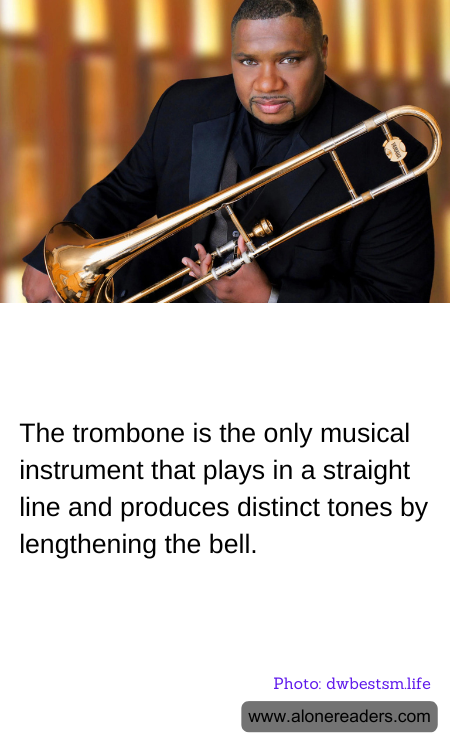
The trombone is a fascinating musical instrument that stands out in the world of brass for its unique design and playing technique. Unlike other brass instruments that rely on valves or keys to change pitch, the trombone operates with a telescoping slide mechanism. This slide allows the player to lengthen or shorten the instrument's tubing, effectively altering the pitch in a smooth, continuous manner. This distinctive feature is what gives the trombone its ability to play in a straight line, producing a wide range of tones that are both rich and versatile.
The trombone's slide mechanism is not just a marvel of engineering but also a testament to the instrument's historical evolution. Originating in the 15th century, the trombone has undergone various transformations, yet its fundamental design has remained largely unchanged. The slide consists of two parallel tubes, one inside the other, which the player moves back and forth to change the length of the air column inside the instrument. This movement directly affects the pitch, allowing for a seamless transition between notes, a technique known as glissando. This capability makes the trombone particularly expressive, capable of producing both subtle nuances and bold, dramatic statements in music.
The bell of the trombone, which flares out at the end of the instrument, also plays a crucial role in its sound production. As the slide extends, the length of the bell effectively increases, altering the instrument's tonal quality. This lengthening of the bell allows the trombone to produce distinct tones that can range from mellow and warm to bright and brassy. The ability to manipulate the bell's length gives trombonists a unique control over their sound, enabling them to adapt to various musical styles and settings, from classical orchestras to jazz ensembles.
In addition to its technical attributes, the trombone holds a special place in musical history and culture. It has been a staple in orchestras, bands, and jazz groups for centuries, celebrated for its powerful sound and versatility. The trombone's ability to blend with other instruments while also standing out as a solo voice makes it an invaluable component of any ensemble. Its distinctive slide technique has inspired countless composers and musicians, contributing to the rich tapestry of musical expression.
For those who play the trombone, the instrument offers a rewarding and challenging experience. Mastering the slide technique requires precision and practice, but the result is a dynamic range of expression that few other instruments can match. Whether in the hands of a seasoned professional or an enthusiastic beginner, the trombone continues to captivate audiences with its unique sound and the artistry it inspires.
In conclusion, the trombone is more than just an instrument that plays in a straight line; it is a bridge between tradition and innovation, offering musicians a canvas for creativity and expression. Its ability to produce distinct tones by lengthening the bell sets it apart in the world of music, making it a beloved and enduring presence on stages around the world.