More About This Card
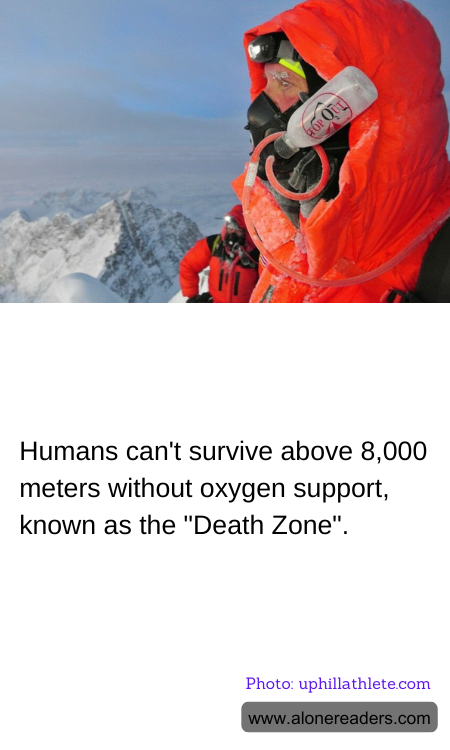
The concept of the "Death Zone" is a chilling reminder of the limits of human endurance and the formidable power of nature. This term refers to altitudes above 8,000 meters (approximately 26,247 feet) where the oxygen levels are insufficient to sustain human life for extended periods. At these heights, the atmospheric pressure is so low that the amount of oxygen available is only about a third of what is found at sea level. This drastic reduction in oxygen can lead to severe physiological challenges, making survival without supplemental oxygen nearly impossible.
When climbers venture into the Death Zone, their bodies are subjected to extreme stress. The lack of oxygen can cause a condition known as hypoxia, where the body and brain are deprived of adequate oxygen supply. Symptoms of hypoxia include confusion, impaired judgment, and loss of coordination, which can be particularly dangerous in the treacherous conditions found at such high altitudes. Additionally, the body begins to deteriorate as it struggles to function with limited oxygen, leading to muscle weakness, fatigue, and an increased risk of frostbite and hypothermia.
The Death Zone is most famously associated with Mount Everest, the world's highest peak, where climbers often face life-or-death decisions. Despite the risks, the allure of reaching the summit draws adventurers from around the globe. However, the harsh reality is that many climbers have lost their lives in the Death Zone, succumbing to the unforgiving environment. Those who attempt to conquer these heights must be well-prepared, both physically and mentally, and often rely on supplemental oxygen to increase their chances of survival.
Supplemental oxygen acts as a lifeline for climbers, helping to mitigate the effects of hypoxia and allowing them to push their bodies beyond natural limits. However, even with this support, the Death Zone remains a perilous place. The extreme cold, unpredictable weather, and challenging terrain add to the dangers, making every step a test of endurance and resilience. Climbers must carefully monitor their oxygen levels, pace themselves, and make critical decisions about when to turn back to ensure their safety.
The Death Zone serves as a stark reminder of the delicate balance between human ambition and the forces of nature. It underscores the importance of respecting the natural world and understanding the limitations of human physiology. While the quest to reach the world's highest peaks continues to captivate the imagination, it is essential to approach such endeavors with caution, preparation, and a deep respect for the mountains that hold both beauty and danger in equal measure.