More About This Card
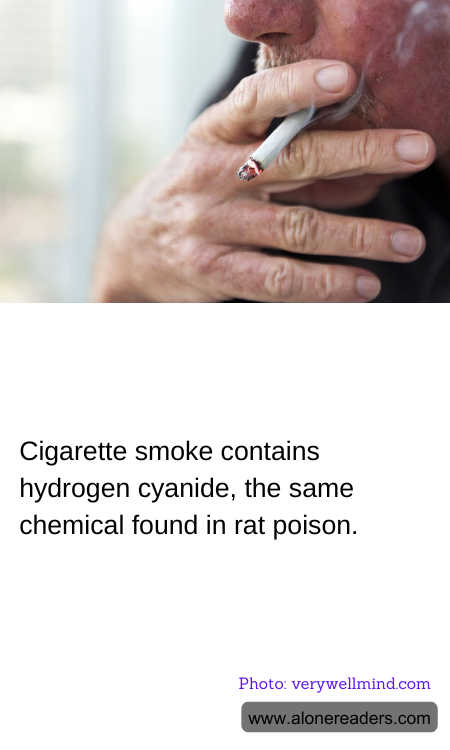
Cigarette smoke is a complex mixture of over 7,000 chemicals, many of which are harmful to human health. Among these toxic substances is hydrogen cyanide, a chemical compound that is also infamously used in rat poison. The presence of hydrogen cyanide in cigarette smoke is a stark reminder of the dangers associated with smoking, highlighting the need for increased awareness and education about its harmful effects.
Hydrogen cyanide is a colorless, highly poisonous gas that can have severe health implications. In the context of pest control, it is used to eliminate rodents due to its lethal properties. When inhaled, hydrogen cyanide interferes with the body's ability to use oxygen, leading to respiratory failure and, in high enough doses, death. In cigarette smoke, this chemical contributes to the toxic cocktail that smokers and those exposed to secondhand smoke inhale with every puff.
The inclusion of hydrogen cyanide in cigarette smoke is particularly concerning because it underscores the extent to which smoking can harm the body. This chemical can damage the respiratory system, impairing lung function and exacerbating conditions such as asthma and chronic obstructive pulmonary disease (COPD). Furthermore, hydrogen cyanide is known to weaken the immune system, making individuals more susceptible to infections and illnesses. The cumulative effect of these health risks is a significant increase in the likelihood of developing life-threatening diseases, including various forms of cancer and heart disease.
For non-smokers, the presence of hydrogen cyanide in secondhand smoke is equally alarming. Those who live or work in environments where smoking is prevalent are at risk of inhaling this toxic gas, which can lead to similar health issues as those experienced by smokers. Children, in particular, are vulnerable to the harmful effects of secondhand smoke, as their developing bodies are more sensitive to toxic substances. This exposure can result in respiratory problems, developmental delays, and an increased risk of sudden infant death syndrome (SIDS).
The knowledge that cigarette smoke contains hydrogen cyanide, a chemical also found in rat poison, serves as a powerful motivator for individuals to reconsider their smoking habits. Public health campaigns and smoking cessation programs play a crucial role in educating people about the dangers of smoking and providing support for those who wish to quit. By raising awareness of the toxic components of cigarette smoke, society can work towards reducing the prevalence of smoking and protecting the health of current and future generations.
In conclusion, the presence of hydrogen cyanide in cigarette smoke is a sobering reminder of the dangers associated with smoking. This toxic chemical, commonly used in rat poison, poses significant health risks to both smokers and non-smokers alike. By understanding the harmful effects of hydrogen cyanide and other toxic substances in cigarette smoke, individuals can make informed decisions about their health and take steps to reduce their exposure to these dangerous chemicals.