More About This Card
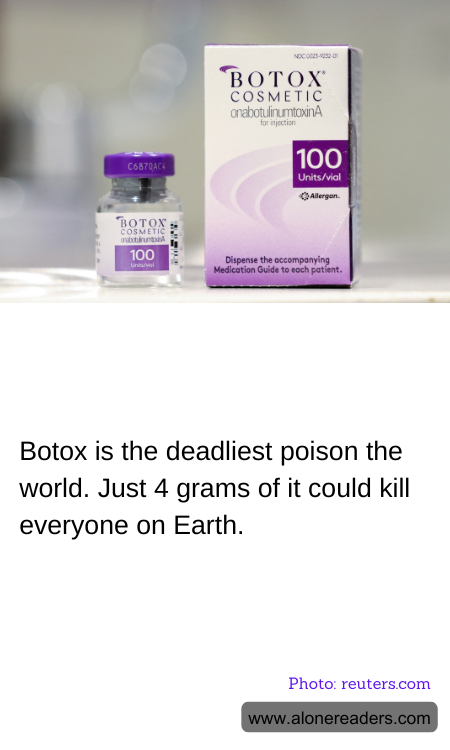
Botox, a name synonymous with cosmetic enhancements, is often associated with the pursuit of beauty and youth. However, beneath its glamorous reputation lies a startling fact: Botox is derived from one of the deadliest substances known to humanity. The active ingredient in Botox is botulinum toxin, a neurotoxic protein produced by the bacterium Clostridium botulinum. This toxin is so potent that just four grams of it could theoretically kill every person on Earth.
Botulinum toxin works by blocking nerve signals in the muscles, leading to temporary paralysis. In controlled, minuscule doses, this property is harnessed for medical and cosmetic purposes, such as reducing wrinkles, treating chronic migraines, and alleviating muscle spasms. The toxin's ability to paralyze muscles is what makes it effective in smoothing out facial lines, offering a youthful appearance to millions worldwide. However, the same mechanism that allows for these benefits also underscores its potential danger.
The lethality of botulinum toxin is unparalleled. It is estimated that a single gram of the crystalline toxin could kill over a million people if dispersed evenly. This makes it one of the most toxic substances known to science. The toxin's potency is due to its ability to interfere with the release of acetylcholine, a neurotransmitter essential for muscle contraction. When this process is disrupted, it can lead to muscle paralysis, respiratory failure, and ultimately, death if not treated promptly.
Despite its deadly nature, the use of botulinum toxin in medicine is a testament to the advancements in scientific research and medical safety protocols. The doses used in medical and cosmetic procedures are carefully calculated and administered by trained professionals, ensuring that the benefits outweigh the risks. The stringent regulations and rigorous testing that govern its use have made Botox treatments remarkably safe, with adverse effects being rare and usually mild.
The dual nature of botulinum toxin as both a deadly poison and a beneficial medical tool highlights the delicate balance between risk and reward in scientific innovation. It serves as a reminder of the importance of respecting the power of nature's most potent substances while appreciating the advancements that allow us to harness them safely. As Botox continues to be a popular choice for those seeking cosmetic enhancements, it is crucial to remain informed about its origins and the science behind its use.
In conclusion, while Botox may be a household name in the realm of beauty and aesthetics, it is essential to recognize the formidable power of the substance from which it is derived. The story of botulinum toxin is one of scientific ingenuity, demonstrating how humanity can transform a deadly poison into a tool for healing and enhancement. As we continue to explore the potential of such substances, the lessons learned from Botox remind us of the importance of caution, respect, and responsibility in the pursuit of progress.