More About This Card
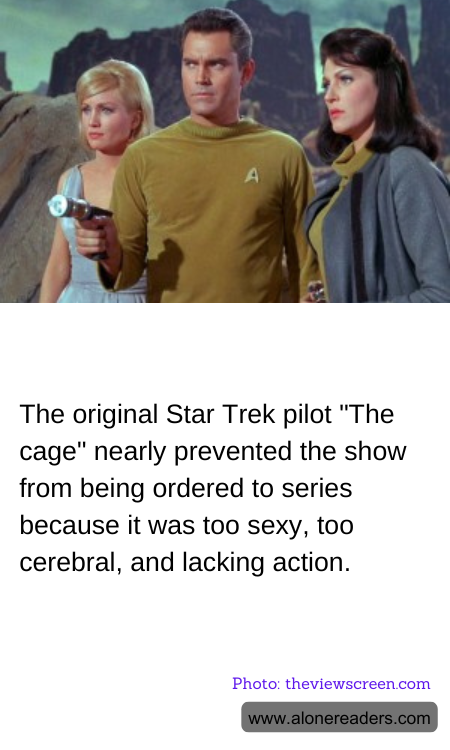
In the annals of television history, few shows have had as profound an impact as "Star Trek." Yet, the journey to its eventual success was fraught with challenges, beginning with its original pilot, "The Cage." This initial episode, which aired in 1965, nearly derailed the series before it even began. The reasons were multifaceted, rooted in the episode's perceived excesses and deficiencies: it was deemed too sexy, too cerebral, and lacking in action.
"The Cage" introduced audiences to a universe that was both familiar and alien, with its narrative centered around Captain Christopher Pike and his crew aboard the USS Enterprise. The episode's storyline was rich with philosophical undertones, exploring themes of illusion versus reality and the nature of human desire. However, this cerebral approach was a double-edged sword. While it offered depth and complexity, it also risked alienating viewers who were accustomed to more straightforward, action-packed television fare.
One of the most contentious aspects of "The Cage" was its sensuality. The episode featured the character Vina, portrayed by Susan Oliver, who was depicted in a manner that some executives found too provocative for the time. Her interactions with Captain Pike, coupled with the seductive allure of the Talosians' illusions, pushed the boundaries of what was considered acceptable on television in the mid-1960s. This element of the pilot was seen as a potential barrier to the show's broader appeal, particularly in a cultural landscape that was still grappling with conservative values.
Moreover, "The Cage" was criticized for its lack of action. Unlike the dynamic, fast-paced adventures that would later characterize the series, the pilot was more introspective, focusing on dialogue and character development. This slower pace was at odds with the expectations of network executives, who were concerned that the episode would fail to capture the attention of a mainstream audience. The absence of traditional action sequences was perceived as a significant drawback, leading to doubts about the show's potential success.
Despite these criticisms, "The Cage" was not without merit. It laid the groundwork for the rich storytelling and complex character dynamics that would become hallmarks of "Star Trek." Recognizing this potential, creator Gene Roddenberry was given a rare second chance to produce a new pilot, "Where No Man Has Gone Before." This episode struck a more balanced tone, incorporating action and adventure while retaining the intellectual depth that Roddenberry envisioned.
Ultimately, the initial rejection of "The Cage" proved to be a pivotal moment in the history of "Star Trek." It forced a reevaluation of the show's direction, leading to the creation of a series that would captivate audiences for decades. The lessons learned from "The Cage" underscored the importance of balancing innovation with accessibility, a principle that has guided "Star Trek" through its many iterations and ensured its enduring legacy.