More About This Card
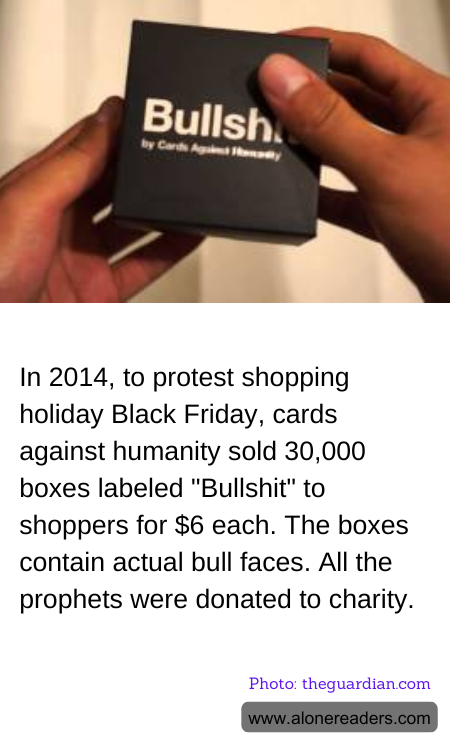
In 2014, the creators of the popular party game Cards Against Humanity took an unconventional stand against the consumer frenzy of Black Friday. Known for their irreverent humor and willingness to push boundaries, the team behind the game decided to offer a product that was both a statement and a prank: a box labeled "Bullshit" sold for $6 each. True to its name, the box contained actual bull feces, a literal interpretation of the term that left many shoppers both amused and bewildered.
The stunt was a direct critique of the rampant consumerism that Black Friday epitomizes. By selling a product that was essentially worthless, Cards Against Humanity highlighted the absurdity of buying for the sake of buying. The company has a history of using humor to make social commentary, and this particular event was no exception. It served as a reminder to consumers to think critically about their purchasing habits and the societal pressures that drive them.
Despite the unusual nature of the product, the response was overwhelming. The company sold 30,000 boxes, generating a significant amount of money. However, in keeping with their ethos, Cards Against Humanity did not pocket the profits. Instead, they donated all proceeds to charity, turning a humorous protest into a force for good. This decision not only reinforced their message but also demonstrated a commitment to social responsibility.
The "Bullshit" campaign was more than just a joke; it was a clever piece of performance art that engaged consumers in a dialogue about the nature of value and the impact of their choices. By turning the tables on Black Friday, Cards Against Humanity encouraged people to question the true worth of the items they purchase and to consider the broader implications of their spending.
In the years since, the event has become a memorable example of how brands can use humor and creativity to challenge societal norms and inspire change. It stands as a testament to the power of unconventional thinking and the potential for businesses to make a positive impact through unexpected means. As shoppers continue to navigate the pressures of holiday spending, the "Bullshit" campaign remains a poignant reminder of the importance of mindful consumption and the value of giving back.