More About This Card
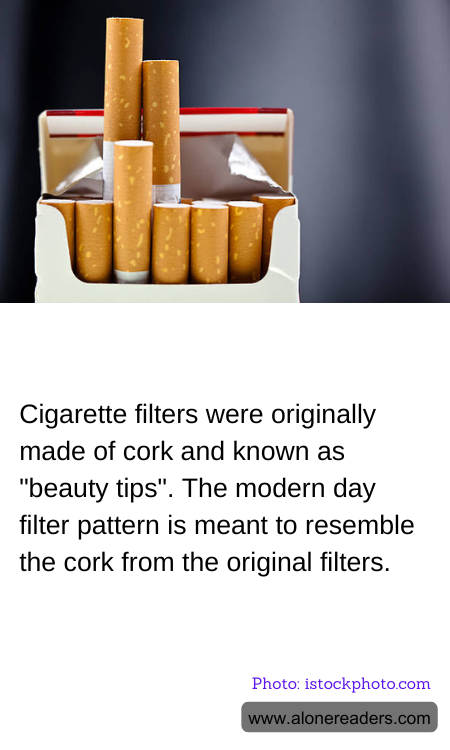
In the early days of cigarette manufacturing, filters were not the sophisticated devices we know today. Instead, they were made from cork and were commonly referred to as "beauty tips." This term was coined because the cork tips were not only functional but also added an aesthetic appeal to the cigarette, making it look more refined and elegant. The cork material provided a natural barrier that helped reduce the harshness of the smoke, offering a smoother experience for the smoker. This was particularly appealing at a time when smoking was not only a habit but also a fashion statement.
As the cigarette industry evolved, so did the technology behind filters. The modern-day cigarette filter is typically made from cellulose acetate, a type of plastic, which is far more effective at trapping tar and other harmful substances than the original cork. Despite this technological advancement, the visual design of the filter has retained a nod to its origins. The speckled pattern found on many cigarette filters today is intentionally designed to resemble the appearance of cork. This design choice is a subtle homage to the past, preserving a piece of history while embracing modern advancements.
The transition from cork to cellulose acetate was driven by the need for more efficient filtration. As awareness of the health risks associated with smoking grew, manufacturers sought to create filters that could better protect smokers from the harmful effects of tar and nicotine. The cellulose acetate filter, introduced in the mid-20th century, was a significant improvement in this regard. It allowed for a reduction in the intake of harmful substances without compromising the smoking experience that consumers had come to expect.
Despite the changes in materials and technology, the aesthetic continuity provided by the cork-like pattern on modern filters serves as a reminder of the cigarette's storied past. It reflects a time when smoking was deeply intertwined with social and cultural norms, and when the appearance of a cigarette was as important as its function. This design choice also highlights the industry's ability to adapt and innovate while maintaining a connection to its roots.
Today, as the world becomes increasingly health-conscious, the cigarette industry faces new challenges and opportunities. While the traditional cigarette filter continues to evolve, there is a growing interest in alternatives such as electronic cigarettes and other smoke-free products. These innovations aim to reduce the health risks associated with smoking while offering consumers new ways to enjoy nicotine. Nonetheless, the legacy of the cork filter lives on, a testament to the enduring impact of design and tradition in the ever-changing landscape of smoking culture.