More About This Card
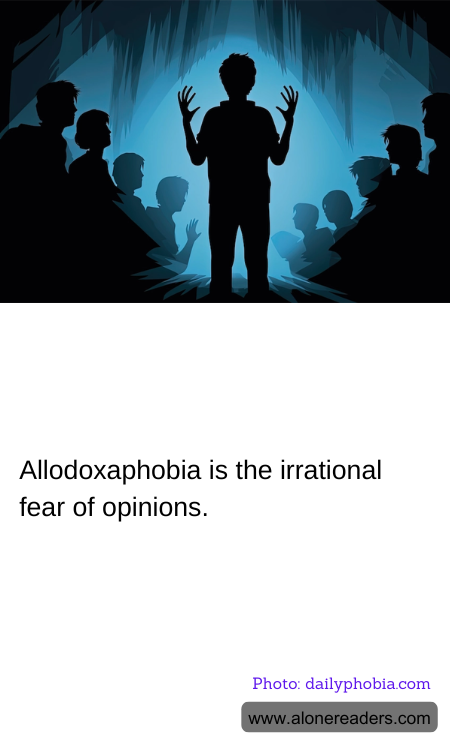
Allodoxaphobia, a term that might be unfamiliar to many, refers to the irrational fear of opinions. This phobia, though not as widely recognized as others, can significantly impact an individual's daily life and interactions. At its core, allodoxaphobia is characterized by an overwhelming anxiety or dread at the thought of being exposed to the opinions of others. This fear can manifest in various ways, from avoiding social situations where differing viewpoints might be expressed to experiencing intense stress when confronted with opinions that challenge one's own beliefs.
The roots of allodoxaphobia can be complex and varied. For some, it may stem from past experiences where they felt judged or belittled for their opinions. Others might develop this fear due to a heightened sensitivity to criticism or a deep-seated need for approval. In today's digital age, where opinions are freely shared and often amplified on social media platforms, individuals with allodoxaphobia might find themselves particularly vulnerable. The constant barrage of differing viewpoints can feel overwhelming, leading to increased anxiety and a desire to retreat from such environments.
Living with allodoxaphobia can be challenging. It can hinder personal and professional relationships, as individuals may struggle to engage in open dialogues or collaborative efforts. The fear of encountering opposing opinions might lead to isolation, as those affected might choose to avoid conversations or situations where their views could be questioned. This avoidance, while providing temporary relief, often exacerbates the phobia, creating a cycle of fear and withdrawal.
Addressing allodoxaphobia involves understanding its underlying causes and gradually confronting the fear in a controlled manner. Cognitive-behavioral therapy (CBT) is often recommended, as it helps individuals reframe their thoughts and develop healthier responses to opinions. Mindfulness practices can also be beneficial, encouraging individuals to remain present and grounded when faced with differing viewpoints. Building self-confidence and fostering a sense of self-worth can further empower individuals to engage with opinions without fear.
Education and awareness are crucial in supporting those with allodoxaphobia. By fostering environments that encourage respectful dialogue and understanding, we can help reduce the stigma associated with differing opinions. Encouraging open-mindedness and empathy can create spaces where individuals feel safe to express themselves without fear of judgment.
In conclusion, while allodoxaphobia might not be as widely recognized as other phobias, its impact on individuals can be profound. By acknowledging and addressing this fear, we can help those affected lead more fulfilling lives, free from the constraints of irrational anxiety. As a society, embracing diversity of thought and promoting respectful exchanges can pave the way for a more inclusive and understanding world.