More About This Card
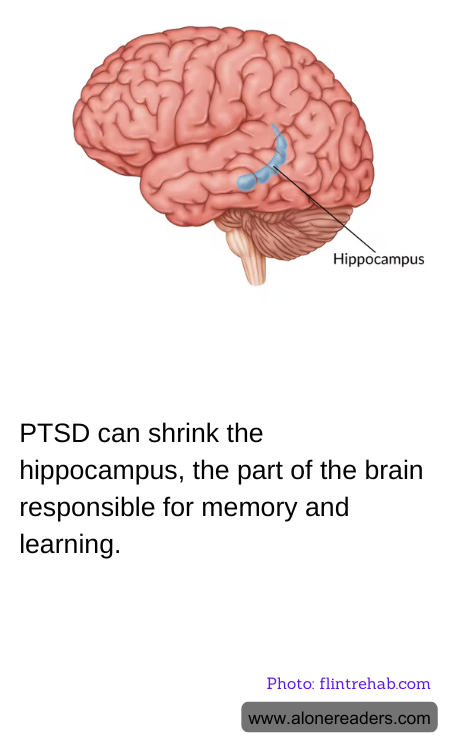
Post-Traumatic Stress Disorder (PTSD) is a mental health condition that can have profound effects on the brain, particularly on the hippocampus, a critical region involved in memory and learning. The hippocampus is a small, seahorse-shaped structure located within the brain's temporal lobe, and it plays a vital role in forming new memories and connecting them to emotions and senses. When PTSD occurs, it can lead to significant changes in this part of the brain, potentially shrinking its size and impairing its functions.
Research has shown that individuals suffering from PTSD often exhibit a reduced hippocampal volume compared to those without the disorder. This shrinkage is believed to result from the chronic stress and heightened levels of cortisol, a stress hormone, associated with PTSD. Cortisol is essential for the body's fight-or-flight response, but when its levels remain elevated over prolonged periods, it can become detrimental to brain cells, particularly those in the hippocampus. This damage can hinder the brain's ability to form new memories and recall existing ones, contributing to the cognitive difficulties often experienced by individuals with PTSD.
The implications of hippocampal shrinkage are significant, as they can exacerbate the symptoms of PTSD. Memory problems can make it difficult for individuals to process traumatic events, leading to persistent flashbacks and intrusive thoughts. Additionally, learning difficulties can hinder the ability to acquire new skills or information, affecting daily functioning and quality of life. These cognitive challenges can create a vicious cycle, where the stress of dealing with memory and learning impairments further exacerbates PTSD symptoms.
Fortunately, there is hope for those affected by PTSD. Various therapeutic interventions have shown promise in mitigating the impact of PTSD on the hippocampus. Cognitive-behavioral therapy (CBT), for example, can help individuals reframe negative thought patterns and develop coping strategies, potentially reducing stress and its harmful effects on the brain. Additionally, emerging research suggests that certain medications and lifestyle changes, such as regular physical exercise and mindfulness practices, may promote neurogenesis, the growth of new neurons, in the hippocampus.
Understanding the relationship between PTSD and hippocampal shrinkage underscores the importance of early intervention and comprehensive treatment approaches. By addressing the root causes of PTSD and supporting brain health, individuals can work towards recovery and improved cognitive function. Raising awareness about the neurological impacts of PTSD can also foster empathy and support for those affected, encouraging a more inclusive and understanding society.
In conclusion, while PTSD can have a detrimental impact on the hippocampus, leading to memory and learning challenges, there are effective strategies to counteract these effects. Through therapy, medication, and lifestyle changes, individuals with PTSD can work towards healing and reclaiming their cognitive abilities. As research continues to advance, there is hope for even more effective treatments that can help restore the hippocampus and improve the lives of those living with PTSD.