More About This Card
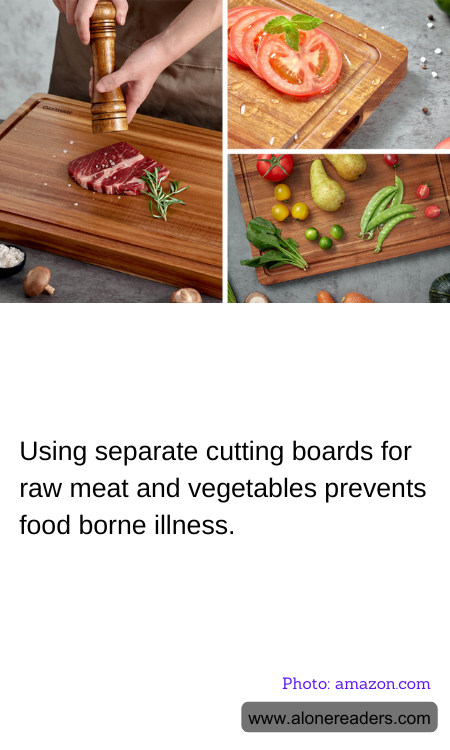
In the realm of kitchen safety, one of the simplest yet most effective practices to prevent foodborne illnesses is using separate cutting boards for raw meat and vegetables. This straightforward precaution can significantly reduce the risk of cross-contamination, which occurs when harmful bacteria from raw meat come into contact with foods that are typically consumed raw, such as vegetables and fruits.
Raw meat, including poultry, beef, pork, and seafood, can harbor bacteria such as Salmonella, E. coli, and Listeria. These pathogens can cause severe foodborne illnesses, leading to symptoms like nausea, vomiting, diarrhea, and even more severe health complications. When raw meat is prepared on the same cutting board as vegetables, these bacteria can easily transfer to the vegetables, which may not undergo further cooking to kill the bacteria.
By dedicating separate cutting boards for raw meat and vegetables, you create a physical barrier that helps prevent the spread of these harmful microorganisms. This practice is especially crucial in households with children, the elderly, or individuals with weakened immune systems, who are more susceptible to foodborne illnesses. It is a simple step that can make a significant difference in maintaining the health and safety of your family.
In addition to using separate cutting boards, it is essential to maintain proper hygiene practices in the kitchen. This includes thoroughly washing cutting boards with hot, soapy water after each use and allowing them to dry completely before storing. Some people prefer using color-coded cutting boards to easily distinguish between those used for raw meat and those for vegetables, further minimizing the risk of accidental cross-contamination.
Moreover, it is advisable to replace cutting boards that have deep grooves or cracks, as these can harbor bacteria even after washing. Wooden cutting boards, while popular for their durability and aesthetic appeal, require extra care to ensure they remain sanitary. Regularly oiling wooden boards can help maintain their condition and prevent cracking.
In conclusion, using separate cutting boards for raw meat and vegetables is a simple yet effective strategy to prevent foodborne illnesses. By incorporating this practice into your kitchen routine, you can protect yourself and your loved ones from the potential dangers of cross-contamination. Coupled with good hygiene practices, this small change can lead to a healthier and safer cooking environment for everyone.