More About This Card
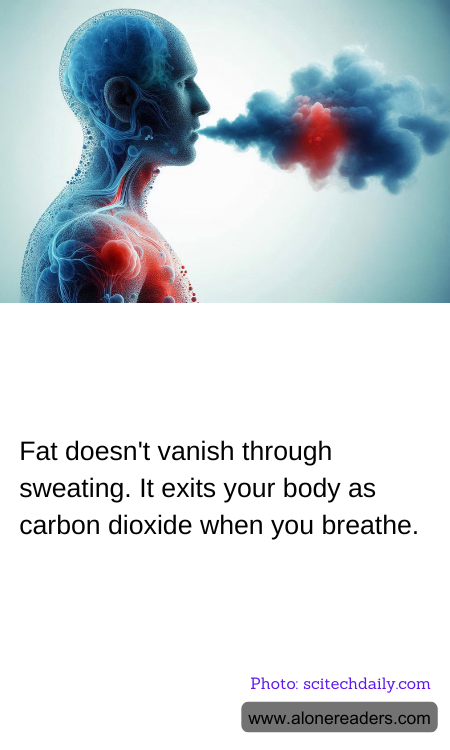
When it comes to losing weight, many people believe that sweating is a sign of fat burning. However, the truth is that fat doesn't simply vanish through perspiration. Instead, the process of losing fat is more closely linked to the air we exhale. Understanding how fat exits the body can help demystify the weight loss process and provide a clearer picture of how our bodies work.
The human body stores energy in the form of fat, which is composed of molecules called triglycerides. These molecules are made up of carbon, hydrogen, and oxygen. When we engage in physical activities or reduce our caloric intake, our bodies tap into these fat reserves to meet energy demands. This process is known as lipolysis, where triglycerides are broken down into glycerol and free fatty acids. These components are then further metabolized to produce energy.
The key to understanding how fat leaves the body lies in the metabolic process known as oxidation. During oxidation, the carbon atoms from the fatty acids are converted into carbon dioxide (CO2), while the hydrogen atoms form water (H2O). The carbon dioxide is then transported through the bloodstream to the lungs, where it is expelled from the body when we breathe out. Meanwhile, the water is excreted through urine, sweat, and other bodily fluids.
This means that the primary pathway for fat loss is through respiration. In fact, research has shown that approximately 84% of the fat we lose is exhaled as carbon dioxide, while the remaining 16% is lost as water. This fascinating insight underscores the importance of breathing in the weight loss process and highlights the role of the respiratory system in maintaining a healthy body weight.
While sweating can be a sign of physical exertion and calorie burning, it is not a direct indicator of fat loss. Sweating helps regulate body temperature and can lead to temporary weight loss due to fluid loss, but it does not contribute significantly to the reduction of fat stores. Therefore, focusing solely on activities that make you sweat may not be the most effective strategy for losing fat.
To effectively lose fat, it is essential to combine a balanced diet with regular physical activity. Aerobic exercises such as walking, running, cycling, and swimming are particularly effective because they increase the body's demand for oxygen, thereby enhancing the oxidation of fat. Additionally, strength training can help build muscle mass, which in turn boosts metabolism and aids in fat loss.
In conclusion, the notion that fat disappears through sweating is a common misconception. Instead, fat is primarily expelled from the body as carbon dioxide through the process of breathing. By understanding this, individuals can adopt more informed and effective strategies for weight loss, focusing on activities that promote overall health and well-being.