More About This Card
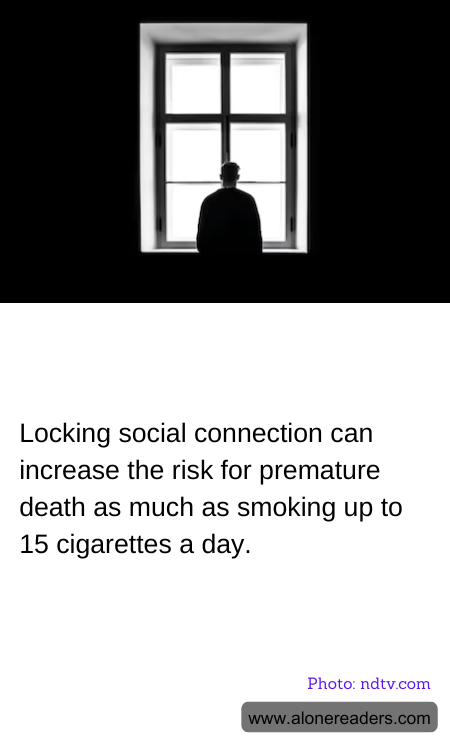
In today's fast-paced world, the importance of social connections often gets overshadowed by the demands of work, technology, and personal ambitions. However, recent studies have highlighted a startling revelation: lacking social connections can increase the risk of premature death as much as smoking up to 15 cigarettes a day. This comparison underscores the critical role that social interactions play in our overall health and well-being.
Human beings are inherently social creatures. From the earliest days of our existence, forming bonds and building communities have been essential for survival. These connections provide emotional support, reduce stress, and contribute to a sense of belonging. When these connections are absent or weak, individuals may experience feelings of loneliness and isolation, which can have profound effects on both mental and physical health.
The health implications of social isolation are significant. Research has shown that loneliness can lead to increased levels of stress hormones, inflammation, and a weakened immune system. These physiological changes can contribute to a range of health issues, including heart disease, depression, and anxiety. Moreover, the absence of social support can exacerbate existing health conditions, making recovery more challenging and increasing the risk of mortality.
Comparing the effects of social isolation to smoking is not merely a dramatic analogy; it reflects the tangible impact that loneliness can have on one's health. Smoking is widely recognized as a major health risk, linked to numerous diseases and a reduced lifespan. Similarly, the lack of social connections can lead to a decline in health, emphasizing the need for individuals to prioritize building and maintaining meaningful relationships.
In an age where digital communication often replaces face-to-face interactions, it is crucial to recognize the value of genuine human connections. While technology can facilitate communication, it cannot replace the emotional depth and support that comes from in-person interactions. Engaging in community activities, nurturing friendships, and spending quality time with family can all contribute to a healthier, more fulfilling life.
Addressing social isolation requires a collective effort. Communities can play a vital role by creating spaces and opportunities for people to connect. Encouraging participation in social groups, volunteer work, and recreational activities can help individuals build networks and foster a sense of belonging. On a personal level, making an effort to reach out to others, whether through a simple phone call or a shared meal, can make a significant difference.
In conclusion, the impact of social connections on health is profound and cannot be underestimated. Just as public health campaigns have successfully raised awareness about the dangers of smoking, there is a need to highlight the importance of social bonds. By fostering connections and combating loneliness, we can improve not only individual well-being but also the health of society as a whole.