More About This Card
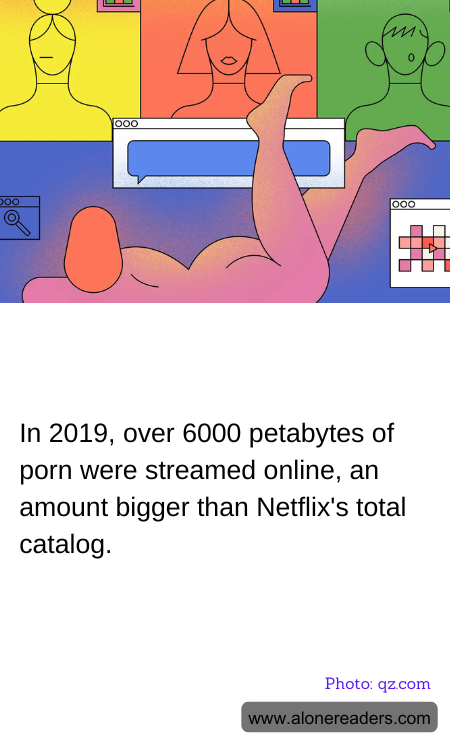
In 2019, the digital landscape witnessed a staggering statistic: over 6000 petabytes of adult content were streamed online. To put this into perspective, this volume surpasses the entire catalog of Netflix, a platform renowned for its vast array of films and series. This comparison highlights the immense scale of adult content consumption and raises intriguing questions about digital media consumption patterns.
The sheer volume of data streamed reflects the pervasive nature of adult content on the internet. It underscores a significant aspect of online behavior, where accessibility and anonymity have contributed to its widespread consumption. The internet has transformed how content is accessed, with adult material being no exception. This transformation has been facilitated by technological advancements, including faster internet speeds and the proliferation of smart devices, making such content more accessible than ever before.
While the numbers are striking, they also prompt a broader discussion about the implications of such consumption. The availability of vast amounts of adult content raises concerns about its impact on individuals and society. Issues such as exposure to inappropriate material, the potential for addiction, and the shaping of unrealistic expectations about relationships are topics of ongoing debate. These concerns highlight the need for comprehensive digital literacy education, which can equip individuals with the skills to navigate online content responsibly.
Moreover, the comparison to Netflix's catalog serves as a reminder of the diverse range of content available online. While entertainment platforms like Netflix offer curated content across various genres, the internet's open nature means that users can access a wide array of material, both beneficial and potentially harmful. This diversity necessitates a balanced approach to content consumption, where users are encouraged to explore a variety of media while being mindful of the content they engage with.
In conclusion, the statistic from 2019 not only illustrates the vast consumption of adult content but also serves as a catalyst for discussions about digital consumption habits. As the internet continues to evolve, fostering a culture of responsible and informed media consumption becomes increasingly important. By promoting digital literacy and encouraging diverse content exploration, society can better navigate the complexities of the digital age, ensuring that the internet remains a space for positive and enriching experiences.