More About This Card
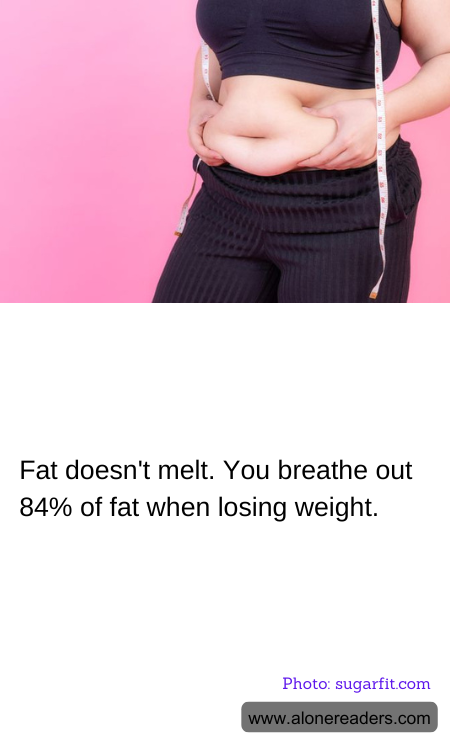
When it comes to losing weight, the common perception is that fat simply melts away, disappearing into thin air. However, the reality is quite different and surprisingly fascinating. Recent studies have revealed that when you lose weight, you actually breathe out 84% of the fat. This intriguing fact challenges the traditional understanding of weight loss and offers a new perspective on how our bodies process fat.
The process of losing weight is fundamentally about breaking down triglycerides, which are stored in fat cells. These triglycerides are composed of carbon, hydrogen, and oxygen. When you engage in physical activities or reduce your calorie intake, your body taps into these fat reserves for energy. Through a series of complex biochemical reactions, triglycerides are broken down into carbon dioxide and water. The carbon dioxide is then expelled from your body through your breath, while the water is excreted through urine, sweat, and other bodily fluids.
This means that the majority of the fat you lose is actually converted into carbon dioxide and leaves your body when you exhale. This process underscores the importance of regular physical activity and proper breathing techniques in weight management. Exercise not only helps burn calories but also increases your respiratory rate, thereby enhancing the expulsion of carbon dioxide. This is why activities that elevate your heart rate, such as running, cycling, or even brisk walking, are effective in aiding weight loss.
Understanding that fat is primarily lost through respiration can also shift how we approach dieting and exercise. It highlights the importance of maintaining a balanced diet that supports metabolic processes and encourages physical activities that boost lung capacity and efficiency. Moreover, it dispels the myth that certain foods or supplements can magically melt fat away. Instead, it emphasizes the role of consistent lifestyle changes in achieving and maintaining a healthy weight.
This knowledge is empowering, as it provides a clear and scientific explanation of how weight loss occurs. It encourages individuals to focus on sustainable habits rather than quick fixes. By incorporating regular exercise and mindful breathing into daily routines, people of all ages can effectively manage their weight and improve their overall health.
In conclusion, the notion that fat doesn't melt but is instead breathed out as carbon dioxide is a revelation that can transform our understanding of weight loss. It serves as a reminder that the journey to a healthier body is a natural process that involves the harmonious functioning of our body's systems. By embracing this knowledge, we can make informed choices that promote long-term well-being and vitality.