More About This Card
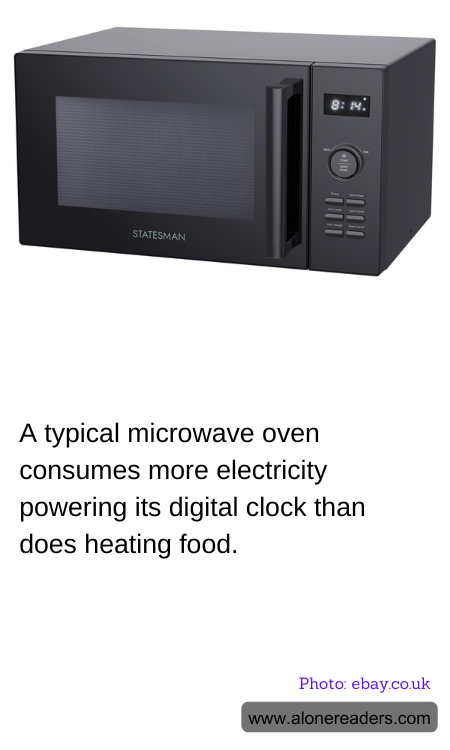
In the modern kitchen, the microwave oven stands as a testament to convenience, offering a quick and efficient way to heat meals. However, an intriguing fact about this ubiquitous appliance is that it often consumes more electricity powering its digital clock than it does when heating food. This surprising revelation highlights the hidden energy costs associated with seemingly minor features in our household gadgets.
The digital clock on a microwave oven is a small but constant energy consumer. It operates 24 hours a day, seven days a week, maintaining its display even when the microwave is not in use. This continuous operation requires a steady flow of electricity, which, over time, can add up to a significant amount of energy consumption. In contrast, the actual cooking time in a microwave is usually brief, often just a few minutes per use. This means that the energy used for cooking is sporadic and generally less than the cumulative energy used by the clock over the same period.
This phenomenon is a classic example of standby power consumption, sometimes referred to as "vampire power" or "phantom load." Many household appliances and electronics consume energy even when they are turned off or in standby mode. While each device may use only a small amount of power individually, the collective impact of all these devices can be substantial, contributing to higher electricity bills and increased energy demand.
Understanding the energy dynamics of appliances like microwave ovens can encourage more mindful energy use. For instance, unplugging the microwave when it's not in use or using a power strip to cut off power to the clock can help reduce unnecessary energy consumption. Additionally, manufacturers are increasingly aware of the need for energy-efficient designs and are working to minimize standby power usage in new models.
For consumers, being aware of these hidden energy costs can lead to more informed decisions about appliance use and energy conservation. Simple actions, such as turning off appliances when not in use or choosing models with lower standby power consumption, can collectively make a significant difference in reducing energy waste and lowering electricity bills.
In conclusion, while the digital clock on a microwave oven may seem like a minor feature, its continuous energy consumption is a reminder of the broader issue of standby power usage in modern appliances. By taking small steps to manage this energy use, consumers can contribute to a more sustainable and cost-effective household energy strategy.