More About This Card
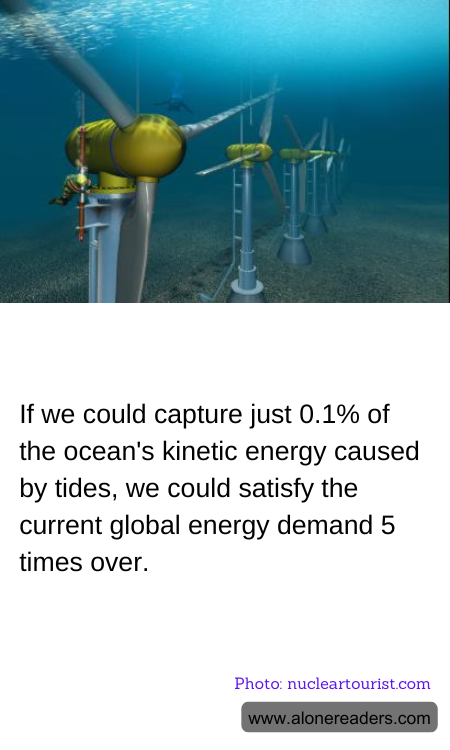
The vastness of the ocean has always been a source of wonder and inspiration, but it also holds untapped potential that could revolutionize the way we power our world. The kinetic energy generated by ocean tides is a formidable force, and if harnessed effectively, it could meet our global energy needs many times over. In fact, capturing just 0.1% of this energy could satisfy the current global energy demand fivefold. This prospect not only highlights the immense power of our oceans but also underscores the potential for sustainable energy solutions that could transform our future.
Tidal energy is a form of hydropower that converts the energy obtained from tides into electricity. Unlike solar and wind energy, which are subject to weather conditions, tidal energy is predictable and consistent, making it a reliable source of power. The gravitational pull of the moon and the sun, combined with the Earth's rotation, creates tides that rise and fall with remarkable regularity. This natural phenomenon generates kinetic energy as water moves in and out of coastal areas, and it is this energy that can be harnessed to produce electricity.
The technology to capture tidal energy is still in its developmental stages, but it has shown great promise. Tidal turbines, similar to underwater windmills, are placed in areas with strong tidal currents. As water flows over the blades, they turn a generator that produces electricity. Another method involves tidal barrages, which are dams built across the entrance of a tidal basin. As the tide rises and falls, water flows through turbines in the barrage, generating power. These technologies are designed to minimize environmental impact while maximizing energy output.
The potential benefits of harnessing tidal energy are significant. It offers a clean, renewable source of power that could reduce our reliance on fossil fuels and decrease greenhouse gas emissions. Moreover, because tides are predictable, tidal energy could provide a stable and continuous supply of electricity, helping to stabilize energy grids and reduce the risk of blackouts. Additionally, the development of tidal energy infrastructure could create jobs and stimulate economic growth in coastal regions.
However, there are challenges to overcome before tidal energy can be widely adopted. The initial costs of building tidal energy systems are high, and there are technical hurdles related to the durability and efficiency of the equipment used. Environmental concerns also need to be addressed, as the installation of tidal turbines and barrages could impact marine ecosystems and local wildlife. Despite these challenges, ongoing research and technological advancements are paving the way for more efficient and cost-effective tidal energy solutions.
In conclusion, the ocean's kinetic energy presents a remarkable opportunity to meet our global energy needs sustainably. By capturing even a fraction of this energy, we could significantly reduce our dependence on non-renewable resources and move towards a cleaner, more sustainable future. As technology advances and the world continues to seek solutions to the pressing issue of climate change, tidal energy stands out as a promising and powerful ally in the quest for sustainable energy.