More About This Card
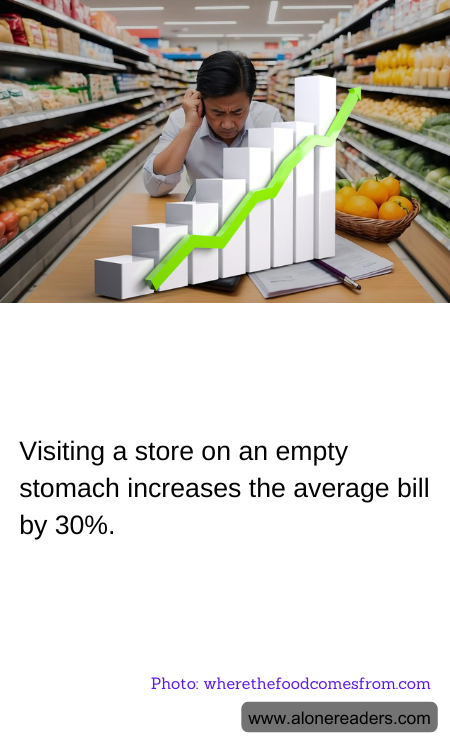
Shopping on an empty stomach is a common scenario that many of us have experienced, often leading to unintended consequences at the checkout counter. Research suggests that visiting a store when hungry can increase the average bill by as much as 30%. This phenomenon is not just a matter of picking up an extra snack or two; it is a psychological response that can significantly impact our purchasing behavior.
When we shop hungry, our bodies are in a state of heightened sensitivity to food-related stimuli. This means that everything from the smell of freshly baked bread to the sight of colorful packaging can become more appealing. Hunger triggers a primal response that makes us more susceptible to impulse buying, often leading us to purchase items that we might not have considered if we were satiated. This is because our brains are wired to seek out high-calorie foods when we are hungry, a survival mechanism that dates back to our ancestors who needed to store energy for times of scarcity.
Moreover, shopping on an empty stomach can impair our decision-making abilities. Hunger can cause a decrease in self-control, making it harder to resist temptations and stick to a shopping list. This lack of restraint can result in buying more than we need, opting for less healthy options, and ultimately spending more money. The allure of quick, convenient snacks or ready-to-eat meals becomes much stronger, and before we know it, our carts are filled with items that were not part of our original plan.
To mitigate the effects of hunger on shopping habits, it is advisable to eat a small meal or snack before heading to the store. This simple step can help stabilize blood sugar levels, improve focus, and enhance self-control, making it easier to adhere to a budget and a shopping list. Additionally, being mindful of marketing tactics that target hungry shoppers, such as strategic product placement and enticing displays, can also help curb unnecessary spending.
In conclusion, while shopping on an empty stomach might seem like a minor oversight, it can have a significant impact on our spending habits. By understanding the psychological and physiological effects of hunger on shopping behavior, we can make more informed decisions and avoid the pitfalls of impulse buying. Whether it's a quick snack before a grocery run or a well-planned shopping list, taking steps to manage hunger can lead to more mindful and cost-effective shopping experiences.