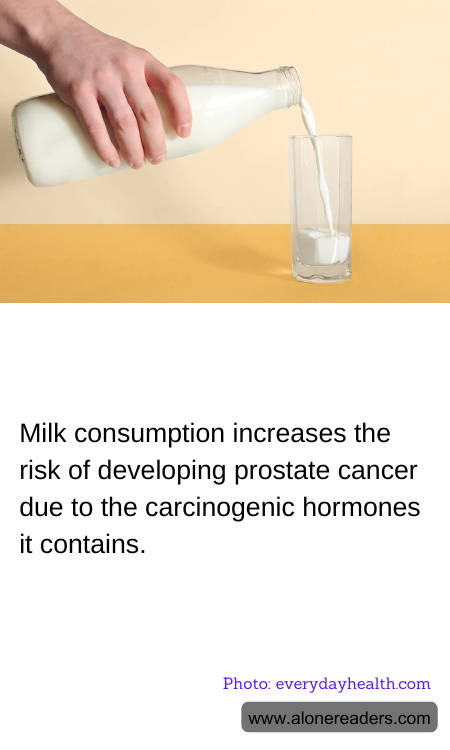
More About This Card
Recent discussions in the health community have raised concerns about the potential link between milk consumption and an increased risk of developing prostate cancer. This connection is primarily attributed to the presence of certain hormones in milk, which some studies suggest may have carcinogenic properties. As milk is a staple in many diets worldwide, understanding the implications of these findings is crucial for making informed dietary choices.
Milk, particularly from cows, contains naturally occurring hormones such as estrogen and insulin-like growth factor 1 (IGF-1). These hormones are essential for the growth and development of calves, but when consumed by humans, they may have unintended effects. Research indicates that elevated levels of IGF-1 in the human body can promote the growth of cancer cells, including those in the prostate. While the body naturally produces IGF-1, consuming milk and other dairy products can increase these levels, potentially heightening cancer risk.
Several epidemiological studies have explored the relationship between dairy intake and prostate cancer. Some have found a positive correlation, suggesting that men who consume large quantities of milk and dairy products may have a higher risk of developing prostate cancer compared to those who consume less. However, it is important to note that these studies often face challenges in isolating milk consumption from other dietary and lifestyle factors that could also influence cancer risk.
Critics of the milk-prostate cancer link argue that the evidence is not yet conclusive. They point out that many studies rely on self-reported dietary habits, which can be unreliable. Additionally, genetic factors, overall diet, and lifestyle choices play significant roles in cancer development, making it difficult to pinpoint milk as a singular cause. Despite these limitations, the potential risk associated with milk consumption cannot be entirely dismissed, especially given the biological plausibility of hormone involvement.
For those concerned about the potential risks, there are alternatives to consider. Plant-based milk options, such as almond, soy, or oat milk, do not contain the same hormones found in cow's milk and may offer a safer choice for those looking to reduce their risk. Additionally, maintaining a balanced diet rich in fruits, vegetables, and whole grains, along with regular exercise, can contribute to overall health and potentially lower cancer risk.
In conclusion, while the link between milk consumption and prostate cancer is still under investigation, the presence of carcinogenic hormones in milk raises valid concerns. Individuals should weigh the potential risks and benefits of milk in their diet and consider alternatives if they are worried about cancer risk. As research continues to evolve, staying informed and consulting with healthcare professionals can help guide dietary decisions that align with personal health goals.