More About This Card
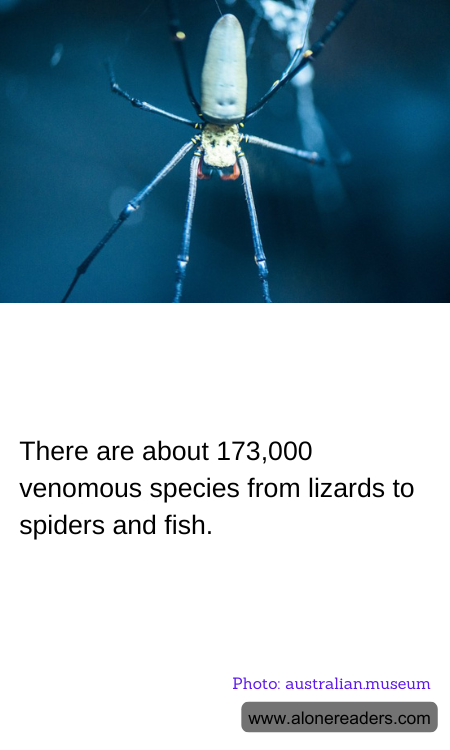
The natural world is a vast and intricate tapestry, woven with countless species that exhibit a myriad of fascinating traits. Among these, venomous species stand out for their unique adaptations that have intrigued scientists and nature enthusiasts alike. With approximately 173,000 venomous species identified, ranging from lizards to spiders and fish, the diversity and complexity of venomous creatures are truly remarkable.
Venom serves as a powerful tool for survival in the animal kingdom. It is a specialized secretion that can immobilize prey, deter predators, and even aid in digestion. This biological weapon is not confined to a single group of animals but is found across various taxa, including reptiles, arachnids, and marine life. For instance, the Komodo dragon, a type of lizard, uses its venom to subdue prey, while the black widow spider employs its potent venom to capture insects. In the aquatic realm, the stonefish, one of the most venomous fish, uses its venomous spines as a defense mechanism against potential threats.
The evolution of venom is a testament to nature's ingenuity. Over millions of years, different species have developed venom with specific chemical compositions tailored to their ecological needs. This evolutionary process has resulted in a wide array of venom types, each with unique properties and effects. Some venoms are neurotoxic, affecting the nervous system, while others are hemotoxic, targeting the circulatory system. This diversity not only highlights the adaptability of these species but also underscores the complexity of their ecological interactions.
Despite their fearsome reputation, venomous species play crucial roles in their ecosystems. They help maintain balance by controlling prey populations and providing food for other predators. Moreover, the study of venom has led to significant advancements in medicine. Researchers have discovered that certain venom components can be used to develop new drugs for treating conditions such as chronic pain, hypertension, and even cancer. This intersection of nature and science exemplifies the potential benefits of understanding and preserving venomous species.
While the presence of venomous creatures may evoke fear, it is essential to approach them with respect and curiosity. Education and awareness can help dispel myths and foster a deeper appreciation for these remarkable animals. By learning about their behaviors, habitats, and ecological roles, we can coexist with them safely and sustainably.
In conclusion, the world of venomous species is a captivating realm that continues to inspire awe and wonder. With around 173,000 species exhibiting venomous traits, the diversity and adaptability of these creatures are a testament to the marvels of evolution. As we continue to explore and understand this aspect of the natural world, we not only gain insights into the intricacies of life on Earth but also uncover potential benefits that can enhance human well-being.