More About This Card
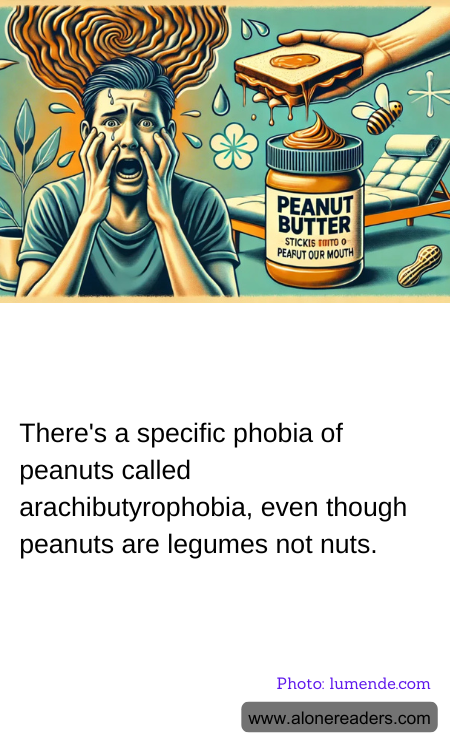
Arachibutyrophobia is a term that might sound unfamiliar to many, yet it describes a surprisingly specific fear: the fear of peanut butter sticking to the roof of one's mouth. While it may seem peculiar, this phobia is a real concern for some individuals, causing significant anxiety and discomfort. Interestingly, despite the common misconception, peanuts are not actually nuts. They belong to the legume family, which includes beans, lentils, and peas. This distinction, however, does not diminish the fear experienced by those with arachibutyrophobia.
The origins of arachibutyrophobia are not entirely clear, but like many phobias, it may stem from a combination of genetic, environmental, and psychological factors. For some, the fear may be linked to a traumatic experience involving peanut butter, such as choking or an allergic reaction. Others might develop the phobia due to a general aversion to sticky textures or a fear of choking. Regardless of its origins, the fear can be quite debilitating, affecting one's ability to enjoy foods that contain peanut butter or even peanuts themselves.
While the fear of peanut butter sticking to the roof of the mouth might seem trivial to some, it is important to recognize that phobias are genuine psychological conditions that can significantly impact an individual's quality of life. Those with arachibutyrophobia may go to great lengths to avoid situations where they might encounter peanut butter, which can be challenging given its prevalence in many popular foods and snacks.
Fortunately, there are ways to manage and overcome arachibutyrophobia. Cognitive-behavioral therapy (CBT) is a common treatment approach that helps individuals confront and change the thought patterns that contribute to their fear. Exposure therapy, a type of CBT, involves gradually and systematically exposing the individual to the source of their fear in a controlled and supportive environment. Over time, this can help desensitize the person to the fear and reduce their anxiety.
For those who may not require professional intervention, self-help strategies can also be beneficial. Mindfulness techniques, such as deep breathing and meditation, can help manage anxiety when faced with the fear. Additionally, educating oneself about the nature of peanuts and peanut butter, and understanding that they are not inherently dangerous, can help alleviate some of the fear associated with arachibutyrophobia.
In conclusion, while arachibutyrophobia may seem like an unusual phobia, it is a legitimate condition that affects some individuals. Understanding and empathy are crucial in supporting those who experience this fear. By acknowledging the phobia and exploring treatment options, individuals can work towards overcoming their fear and enjoying a wider variety of foods without anxiety.