More About This Card
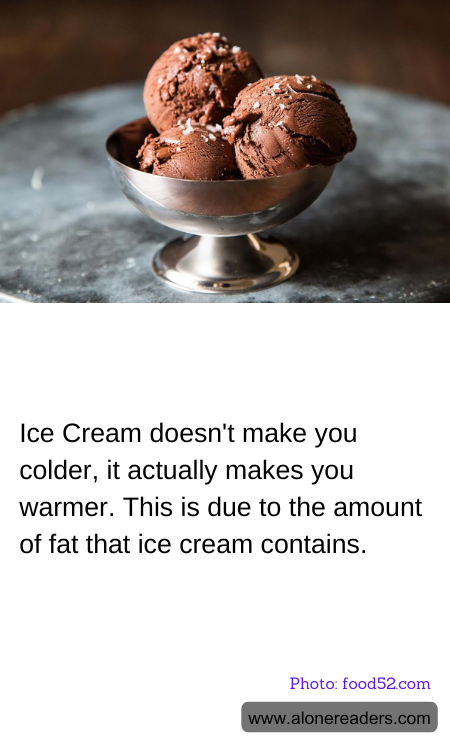
When the sun blazes down on a hot summer day, many people instinctively reach for a scoop of ice cream, hoping for a refreshing chill. However, contrary to popular belief, indulging in this creamy delight doesn't actually cool you down. In fact, ice cream can make you feel warmer, and the reason lies in its composition, particularly its fat content.
Ice cream is a rich blend of milk, cream, sugar, and flavorings, with fat being a significant component. This fat content plays a crucial role in how our bodies process the treat. When you consume ice cream, your body begins the digestion process, which requires energy. This energy expenditure generates heat, a phenomenon known as the thermic effect of food. The higher the fat content, the more energy your body needs to break it down, leading to an increase in body temperature.
Moreover, the sensation of coldness from eating ice cream is fleeting. As the ice cream melts in your mouth, it quickly warms to body temperature, and the initial cooling effect dissipates. The digestive process then kicks in, and the body starts working harder to metabolize the fats and sugars, which can lead to a warming sensation. This is why, paradoxically, you might find yourself feeling warmer after finishing a bowl of ice cream.
Another factor contributing to this warming effect is the body's natural response to cold foods. When you consume something cold, your body works to maintain its core temperature. This involves generating heat to counteract the cold intake, which can result in an overall warming effect. So, while the immediate sensation might be a refreshing chill, the long-term effect is quite the opposite.
It's also worth noting that the psychological comfort associated with eating ice cream can contribute to a feeling of warmth. Ice cream is often linked with positive emotions and memories, from childhood treats to celebratory desserts. This emotional warmth can enhance the physical sensation of warmth, making the experience of eating ice cream even more comforting.
In conclusion, while ice cream might seem like the perfect remedy for a hot day, its high fat content and the body's response to cold foods can actually make you feel warmer. So, the next time you reach for a scoop, remember that the initial chill is just a temporary illusion. Enjoy the creamy delight for its flavors and textures, but don't count on it to cool you down for long. Instead, savor it as a delicious treat that brings warmth in more ways than one.