More About This Card
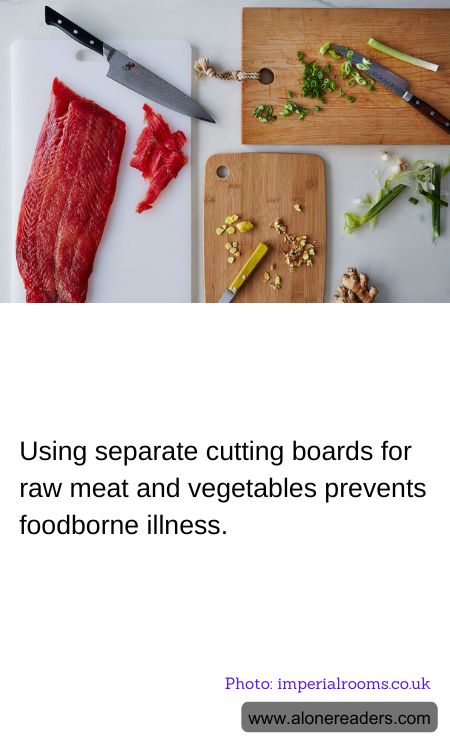
In the kitchen, maintaining hygiene is paramount to ensuring the safety and well-being of everyone who enjoys the meals prepared there. One of the simplest yet most effective practices to prevent foodborne illnesses is using separate cutting boards for raw meat and vegetables. This practice is not only a cornerstone of food safety but also a crucial step in preventing cross-contamination, which can lead to serious health issues.
Cross-contamination occurs when harmful bacteria or pathogens from one food item are transferred to another, often through shared surfaces or utensils. Raw meat, poultry, and seafood are common carriers of bacteria such as Salmonella, E. coli, and Listeria, which can cause severe foodborne illnesses. When these raw proteins are prepared on the same cutting board as vegetables or fruits, the risk of transferring these harmful bacteria increases significantly. Vegetables and fruits are often consumed raw, meaning any bacteria present will not be eliminated through cooking, making it even more critical to keep them separate from raw meats.
Using separate cutting boards is a straightforward solution to this problem. By dedicating one board exclusively for raw meats and another for vegetables and fruits, you create a barrier that prevents bacteria from spreading. This practice is not only recommended by food safety experts but is also a standard guideline in many culinary schools and professional kitchens. It is a simple habit that can be easily adopted in any home kitchen, regardless of size or cooking style.
To implement this practice effectively, it is advisable to use color-coded cutting boards. For instance, a red board can be designated for raw meats, while a green board can be used for vegetables and fruits. This visual cue helps in quickly identifying which board to use, reducing the chances of accidental cross-contamination. Additionally, it is important to regularly clean and sanitize cutting boards after each use. Wooden boards should be scrubbed with hot, soapy water and allowed to air dry completely, while plastic boards can often be placed in the dishwasher for thorough cleaning.
Beyond preventing illness, using separate cutting boards also promotes a more organized and efficient cooking process. It encourages cooks to be mindful of their food preparation techniques and fosters a cleaner kitchen environment. This practice is especially beneficial in households with children, the elderly, or individuals with compromised immune systems, who are more susceptible to foodborne illnesses.
In conclusion, the simple act of using separate cutting boards for raw meat and vegetables is a powerful tool in the fight against foodborne illnesses. It is a practice that enhances kitchen hygiene, protects health, and ensures that the meals served are not only delicious but also safe for everyone to enjoy. By adopting this habit, home cooks can contribute to a healthier kitchen environment and a safer dining experience for all.