More About This Card
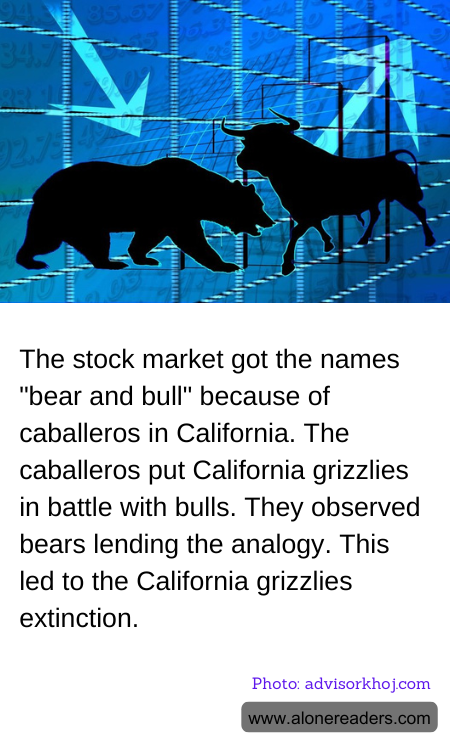
The terms "bear" and "bull" are now synonymous with the stock market, representing downward and upward trends, respectively. However, the origins of these terms are as fascinating as they are tragic, tracing back to the days of the caballeros in California. These skilled horsemen, known for their prowess and flair, were instrumental in shaping the cultural and economic landscape of early California. Among their many activities, they engaged in a brutal form of entertainment that involved pitting California grizzlies against bulls.
The California grizzly, a formidable creature known for its strength and tenacity, was often matched against bulls in these staged battles. Observers noted the distinct fighting styles of the two animals: the bull, with its aggressive charging and upward thrusts, and the bear, with its defensive swipes and downward pressure. These characteristics lent themselves to the analogy that would later be adopted by the financial world. A "bull market" came to describe a period of rising prices, akin to the bull's upward thrusts, while a "bear market" signified declining prices, reminiscent of the bear's downward swipes.
While this analogy has become a staple in financial vernacular, the historical context is less celebrated. The popularity of these gruesome spectacles contributed significantly to the decline of the California grizzly population. Once a thriving species, the grizzlies were hunted relentlessly for these events, leading to their eventual extinction in the region. By the early 20th century, the California grizzly had vanished from the wild, a poignant reminder of the impact of human entertainment on wildlife.
Today, the legacy of the California grizzly lives on in the symbolism of the stock market and the state flag of California, where the bear stands as a symbol of strength and resilience. However, the story behind the bear and bull markets serves as a cautionary tale about the consequences of human actions on the natural world. It underscores the importance of preserving wildlife and respecting the delicate balance of ecosystems.
As we continue to use these terms in modern finance, it is crucial to remember their origins and the lessons they impart. The story of the bear and the bull is not just about market trends but also about the intersection of culture, history, and the environment. It invites reflection on how we can learn from the past to create a more sustainable future, where economic pursuits do not come at the expense of the natural world.