More About This Card
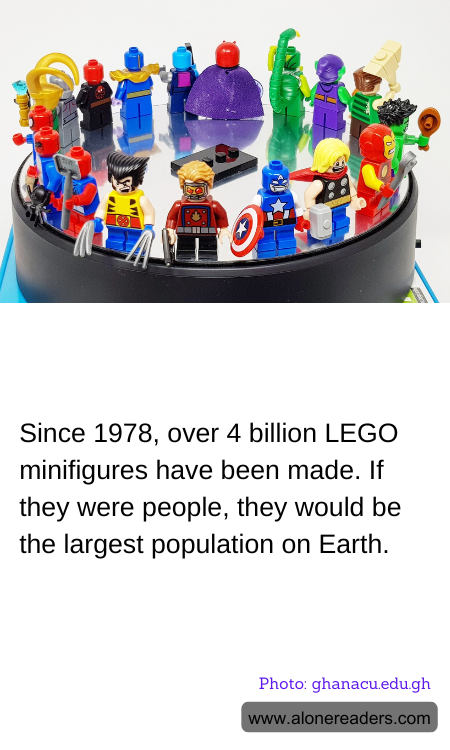
Since their introduction in 1978, LEGO minifigures have become an iconic symbol of creativity and imagination. With over 4 billion of these tiny figures produced, they have quietly amassed a population that, if they were real people, would surpass the current human population on Earth. This staggering number highlights not only the popularity of LEGO toys but also their enduring appeal across generations and cultures.
LEGO minifigures are more than just toys; they are a testament to the power of imagination. Each figure, with its distinctive yellow face and interchangeable parts, invites children and adults alike to create stories and worlds limited only by their creativity. From astronauts to pirates, and knights to superheroes, these figures have taken on countless roles, allowing builders to explore different themes and narratives. This versatility is a key factor in their widespread appeal, as it enables endless possibilities for play and storytelling.
The journey of the LEGO minifigure began with a simple design, yet it has evolved significantly over the years. Initially, the figures were basic, with limited facial expressions and accessories. However, as LEGO sets became more sophisticated, so did the minifigures. Today, they come with a variety of expressions, hairstyles, and outfits, reflecting the diversity of the real world. This evolution has allowed LEGO to stay relevant and engaging, appealing to both nostalgic adults and curious children.
The sheer number of LEGO minifigures produced is a testament to the brand's global reach. With sets available in over 140 countries, LEGO has become a universal language of play. The minifigures, in particular, have played a crucial role in this success, serving as ambassadors of fun and creativity. They have been featured in movies, video games, and even art exhibitions, further cementing their status as cultural icons.
Beyond their entertainment value, LEGO minifigures also offer educational benefits. They encourage fine motor skills, problem-solving, and spatial awareness. By building and playing with these figures, children develop critical thinking and creativity, skills that are essential in today's rapidly changing world. Moreover, the collaborative nature of LEGO play fosters teamwork and communication, making it a valuable tool for social development.
In conclusion, the production of over 4 billion LEGO minifigures since 1978 is a remarkable achievement that underscores the brand's enduring popularity and impact. These tiny figures have captured the hearts and minds of people around the world, transcending age, culture, and language barriers. As they continue to inspire creativity and imagination, LEGO minifigures remain a beloved staple in the world of play, proving that sometimes, the smallest things can have the biggest impact.