More About This Card
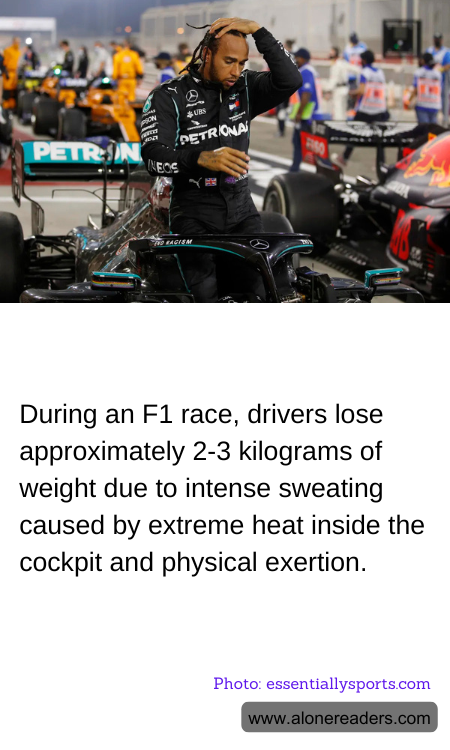
Formula 1 racing is a high-octane sport that captivates millions of fans worldwide with its blend of speed, precision, and strategy. However, beyond the glitz and glamour of the racetrack lies a grueling physical challenge that drivers must endure. One of the most astonishing aspects of an F1 race is the significant weight loss drivers experience, shedding approximately 2-3 kilograms during a single race. This weight loss is primarily due to intense sweating, a result of the extreme heat inside the cockpit and the physical exertion required to control the car.
The cockpit of an F1 car is a confined space where temperatures can soar above 50 degrees Celsius (122 degrees Fahrenheit). This extreme heat is generated by the car's powerful engine and the friction of high-speed racing. Unlike regular vehicles, F1 cars are not equipped with air conditioning, as every additional gram of weight can affect performance. Consequently, drivers are subjected to a sweltering environment for the duration of the race, which can last up to two hours. This intense heat causes drivers to sweat profusely, leading to significant fluid loss.
In addition to the heat, the physical demands of driving an F1 car contribute to this weight loss. Piloting a car at speeds exceeding 300 kilometers per hour requires immense concentration and physical strength. Drivers must endure high G-forces, particularly during cornering and braking, which can be as much as five times the force of gravity. This requires exceptional core strength and endurance, as drivers need to maintain control and precision throughout the race. The physical exertion involved in managing these forces further accelerates the rate of sweating and fluid loss.
To combat dehydration and maintain peak performance, F1 drivers follow rigorous hydration and nutrition plans. They consume electrolyte-rich fluids before, during, and after the race to replenish lost minerals and maintain hydration levels. Teams often equip cars with a hydration system, allowing drivers to drink fluids through a tube connected to their helmets. Despite these measures, the sheer intensity of the race environment means that some weight loss is inevitable.
The weight loss experienced by F1 drivers is a testament to their extraordinary fitness and resilience. It highlights the often-overlooked physical demands of the sport, which require drivers to be in peak physical condition. This aspect of Formula 1 racing underscores the dedication and discipline required to compete at the highest level, where every detail, including managing body weight and hydration, can influence the outcome of a race.
In conclusion, the weight loss experienced by F1 drivers during a race is a remarkable phenomenon driven by the extreme conditions inside the cockpit and the physical demands of the sport. It serves as a reminder of the incredible athleticism and endurance required to excel in Formula 1, where drivers push the limits of human performance in pursuit of victory.