More About This Card
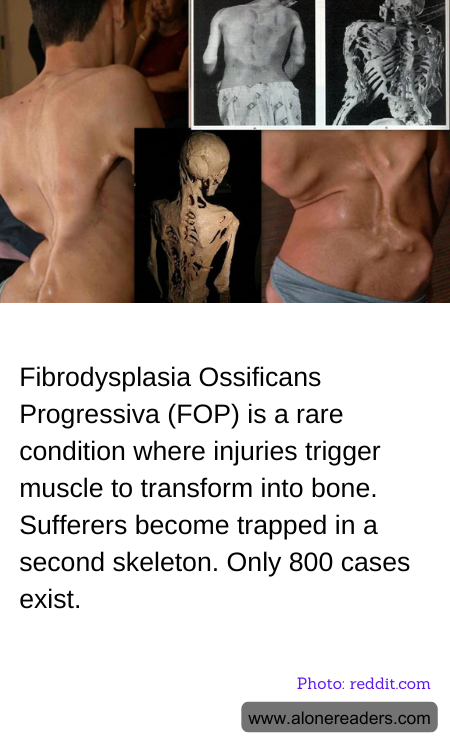
Fibrodysplasia Ossificans Progressiva (FOP) is a rare and debilitating genetic condition that transforms the lives of those affected in unimaginable ways. This disorder, which affects only about 800 individuals worldwide, causes soft tissues such as muscles, tendons, and ligaments to gradually ossify, or turn into bone, following even minor injuries. As a result, those with FOP find themselves slowly encased in a second skeleton, severely restricting their movement and quality of life.
The onset of FOP typically begins in early childhood, often misdiagnosed due to its rarity and the subtlety of initial symptoms. A telltale sign is malformed big toes present at birth, but the full impact of the condition becomes apparent as the child grows. Any trauma to the body, whether from a fall, a bump, or even a routine medical procedure, can trigger the ossification process. This means that activities that most people take for granted, such as playing sports or receiving vaccinations, can have devastating consequences for someone with FOP.
Living with FOP requires meticulous care and caution. Individuals must avoid situations that could lead to injury, and even the most routine aspects of life must be carefully managed. The progressive nature of the condition means that over time, the body becomes increasingly rigid, leading to significant physical limitations. Simple tasks like eating, dressing, or even speaking can become challenging as the ossification progresses.
Currently, there is no cure for FOP, and treatment options are limited. Researchers are actively seeking ways to better understand the genetic mutations that cause the condition, with the hope of developing therapies that can halt or reverse the ossification process. In recent years, advancements in genetic research have provided some hope, but practical solutions remain on the horizon.
The rarity of FOP also means that those affected often face a sense of isolation. Support networks and communities, both online and offline, play a crucial role in providing emotional and practical support. These networks help individuals and families share experiences, coping strategies, and the latest research developments, fostering a sense of solidarity in the face of such a challenging condition.
Raising awareness about FOP is essential not only for those directly affected but also for the broader medical community. Increased understanding can lead to earlier diagnosis, better management strategies, and ultimately, more focused research efforts. As the global community becomes more informed, there is hope that one day, those living with FOP will no longer be trapped by their own bodies, but instead, will have the freedom to move and live without fear of their own skeletons turning against them.