More About This Card
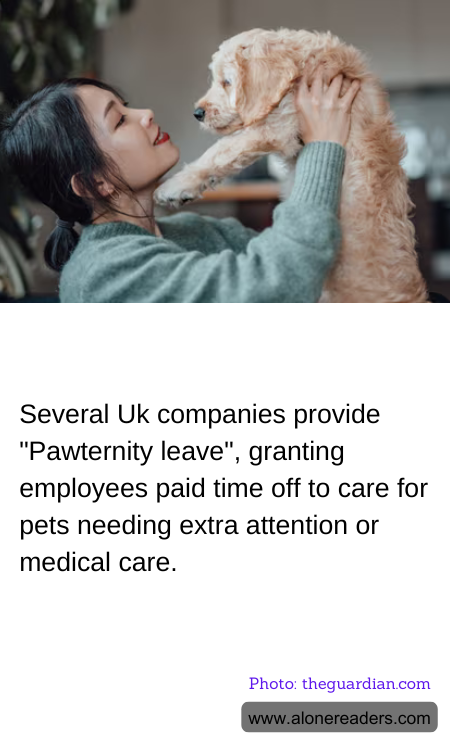
In recent years, a growing number of UK companies have begun offering a unique employee benefit known as "Pawternity leave." This innovative policy grants employees paid time off to care for their pets, particularly when they require extra attention or medical care. As pets increasingly become integral members of families, this trend reflects a broader shift in workplace culture towards recognizing the diverse needs of employees.
The concept of Pawternity leave is rooted in the understanding that pets, much like children, require time, attention, and care, especially during significant life events such as adoption, illness, or recovery from surgery. For many pet owners, balancing work commitments with the demands of a new puppy or a sick cat can be challenging. By offering Pawternity leave, companies acknowledge the emotional and practical responsibilities that come with pet ownership, thereby fostering a more supportive and inclusive work environment.
Several UK companies have embraced this policy, recognizing that happy employees are often more productive and loyal. By allowing staff to take time off to settle a new pet into their home or to tend to a pet's medical needs, these companies are not only enhancing employee satisfaction but also promoting a healthier work-life balance. This approach can lead to reduced stress levels among employees, as they no longer have to worry about leaving a sick pet alone or rushing home during lunch breaks to check on their furry friends.
Moreover, Pawternity leave can be a significant factor in attracting and retaining talent, particularly among younger workers who are more likely to view pets as family members. In a competitive job market, offering such a benefit can set a company apart, demonstrating a commitment to employee well-being that goes beyond traditional perks. It also aligns with the growing trend of companies adopting more flexible and empathetic workplace policies, which can enhance their reputation as progressive and caring employers.
Critics of Pawternity leave may argue that it is an unnecessary indulgence or that it could be open to misuse. However, proponents counter that the policy is a reflection of changing societal values and the evolving nature of the modern workforce. By trusting employees to use Pawternity leave responsibly, companies can cultivate a culture of mutual respect and understanding.
In conclusion, Pawternity leave represents a forward-thinking approach to employee benefits, one that acknowledges the important role pets play in the lives of many individuals. As more UK companies adopt this policy, it is likely to become a standard offering, further blurring the lines between personal and professional life in a way that benefits both employees and employers. By embracing the needs of pet owners, businesses can create a more compassionate and inclusive workplace, ultimately leading to happier and more engaged employees.