More About This Card
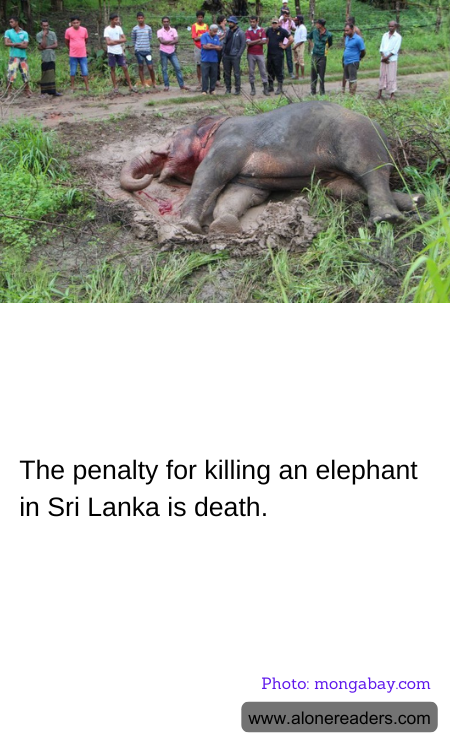
In Sri Lanka, elephants are not just majestic creatures roaming the wild; they are revered symbols of cultural heritage and biodiversity. The island nation has a long-standing relationship with these gentle giants, which are deeply embedded in its cultural and religious fabric. However, the increasing threats to their existence have prompted the government to take stringent measures to protect them. One of the most severe penalties in place is the death penalty for those found guilty of killing an elephant.
This drastic measure underscores the seriousness with which Sri Lanka views the protection of its elephants. The decision to impose such a severe penalty is not taken lightly, but it reflects the urgent need to deter poaching and illegal hunting. Elephants in Sri Lanka face numerous threats, including habitat loss, human-elephant conflict, and poaching for ivory. The death penalty serves as a strong deterrent against these illegal activities, aiming to preserve the dwindling elephant population.
The cultural significance of elephants in Sri Lanka cannot be overstated. They are an integral part of religious ceremonies and festivals, such as the famous Esala Perahera in Kandy, where elephants are adorned and paraded in a grand procession. Beyond their cultural importance, elephants are crucial to the country's biodiversity. They play a vital role in maintaining the ecological balance by facilitating seed dispersal and creating pathways in dense forests, which benefits other wildlife.
Despite the harsh penalty, the enforcement of laws protecting elephants remains a challenge. The vast and often inaccessible terrains where elephants roam make monitoring and policing difficult. Additionally, the socio-economic factors driving individuals to poach elephants cannot be ignored. Poverty and lack of awareness contribute to the illegal killing of elephants, highlighting the need for comprehensive strategies that include community engagement and education.
Efforts to protect elephants in Sri Lanka extend beyond legal measures. Conservation organizations and government agencies are working together to implement initiatives that promote coexistence between humans and elephants. These include creating elephant corridors to reduce human-elephant conflict and conducting awareness campaigns to educate communities about the importance of elephant conservation.
In conclusion, the death penalty for killing an elephant in Sri Lanka is a testament to the country's commitment to preserving its natural heritage. While the severity of the penalty may be debated, it reflects the critical need to protect these magnificent creatures from extinction. By combining strict legal measures with community-based conservation efforts, Sri Lanka aims to ensure that elephants continue to thrive in their natural habitats for generations to come.