More About This Card
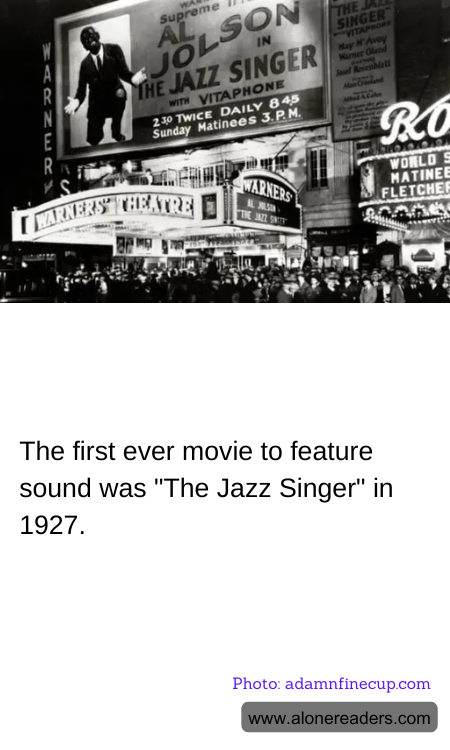
In the annals of cinematic history, few films have had as profound an impact as "The Jazz Singer," released in 1927. This groundbreaking movie marked a pivotal moment in the evolution of film, heralding the dawn of the "talkies" and forever changing the landscape of the entertainment industry. Prior to its release, films were silent, relying on expressive acting, title cards, and live musical accompaniment to convey their stories. "The Jazz Singer" shattered this mold by being the first feature-length film to incorporate synchronized sound, including spoken dialogue and songs, into its narrative.
The film, produced by Warner Bros., starred Al Jolson, a popular singer and actor of the time, whose performance as Jakie Rabinowitz, a young man torn between his Jewish heritage and his passion for jazz music, captivated audiences. The story itself was compelling, but it was the inclusion of sound that truly mesmerized viewers. The moment when Jolson utters the now-famous line, "Wait a minute, wait a minute. You ain't heard nothin' yet!" was a revelation, signaling a new era in filmmaking. This line, along with Jolson's soulful renditions of songs like "Toot, Toot, Tootsie" and "Blue Skies," showcased the potential of sound in cinema, offering audiences an immersive experience that silent films could not match.
The success of "The Jazz Singer" was not just a technical triumph but also a commercial one. It demonstrated the viability of sound films, prompting studios to invest in the new technology and leading to a rapid transformation of the industry. Within a few years, silent films became a relic of the past, as audiences clamored for the more engaging and realistic experience that sound provided. The film's impact was so significant that it is often credited with saving Warner Bros. from financial ruin, establishing the studio as a major player in Hollywood.
Beyond its technical achievements, "The Jazz Singer" also sparked discussions about cultural identity and assimilation, themes that resonated deeply with audiences of the time. The film's portrayal of a young man caught between tradition and modernity mirrored the experiences of many immigrants in America, adding a layer of depth to its narrative. However, it is important to acknowledge that the film also reflects the racial attitudes of its era, particularly through its use of blackface, a practice that is now rightly criticized for its offensive and dehumanizing portrayal of African Americans.
Despite its controversial elements, "The Jazz Singer" remains a landmark in film history, celebrated for its pioneering use of sound and its role in ushering in a new age of cinema. Its legacy is a testament to the power of innovation and the enduring appeal of storytelling, reminding us of the transformative impact that technology can have on art and culture. As we continue to explore new frontiers in filmmaking, the lessons of "The Jazz Singer" remind us of the importance of embracing change and the endless possibilities that lie ahead.