More About This Card
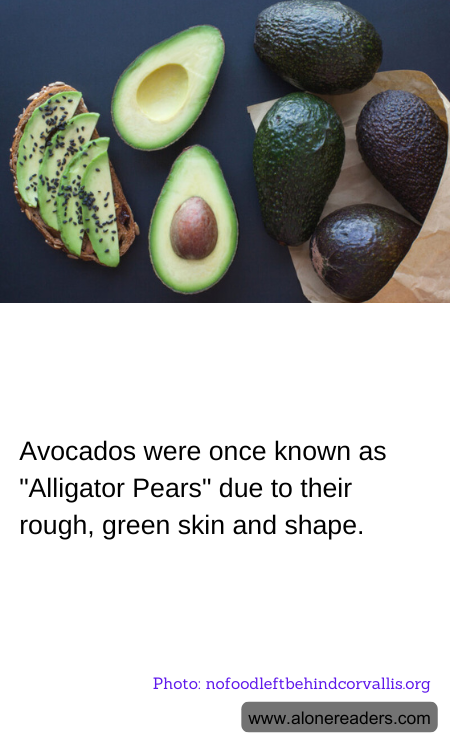
Avocados, a staple in many modern diets, have a rich history that dates back thousands of years. Interestingly, these creamy fruits were once known by a rather unusual name: "Alligator Pears." This moniker was inspired by their rough, bumpy skin and pear-like shape, which bear a striking resemblance to the texture and appearance of an alligator's hide.
The origins of the avocado trace back to Central and South America, where they have been cultivated for over 7,000 years. The Aztecs and other indigenous peoples of the region were among the first to enjoy the fruit, which they called "ahuacatl," meaning "testicle" in their native language, due to its shape. When Spanish explorers arrived in the Americas, they adapted the name to "aguacate," which eventually evolved into the English word "avocado."
The term "Alligator Pear" emerged as English speakers sought a more descriptive name for the fruit. The avocado's thick, green skin, often dotted with small bumps, reminded early consumers of an alligator's tough exterior. Coupled with its pear-like shape, the name "Alligator Pear" seemed fitting. This nickname was commonly used in the United States and other English-speaking countries until the early 20th century, when the more exotic-sounding "avocado" began to gain popularity.
Despite its unusual appearance, the avocado has become a beloved ingredient in cuisines worldwide, celebrated for its rich, buttery texture and numerous health benefits. Packed with healthy fats, vitamins, and minerals, avocados are a versatile addition to both savory and sweet dishes. From guacamole to avocado toast, smoothies to salads, the fruit's creamy consistency and mild flavor make it a favorite among chefs and home cooks alike.
The journey from "Alligator Pear" to avocado reflects not only a change in nomenclature but also a shift in cultural perceptions. As global trade expanded and culinary tastes evolved, the avocado shed its reptilian association and emerged as a symbol of health and wellness. Today, it is hard to imagine a world without avocados, as they continue to inspire new culinary creations and delight taste buds around the globe.
In conclusion, the avocado's transformation from "Alligator Pear" to a modern-day superfood is a testament to its enduring appeal and adaptability. While the name may have changed, the fruit's unique characteristics and nutritional benefits remain as compelling as ever. Whether enjoyed in a classic guacamole or as a trendy avocado toast, this once-misunderstood fruit has certainly found its place in the hearts and kitchens of people everywhere.