More About This Card
In the world of modern medicine, the operating room is a place where precision and clarity are paramount. Among the many tools that facilitate successful surgeries, the surgical light stands out as a marvel of engineering and design. One of its most fascinating features is its ability to illuminate without casting shadows, a characteristic that is crucial for surgeons who require unobstructed views of their work.
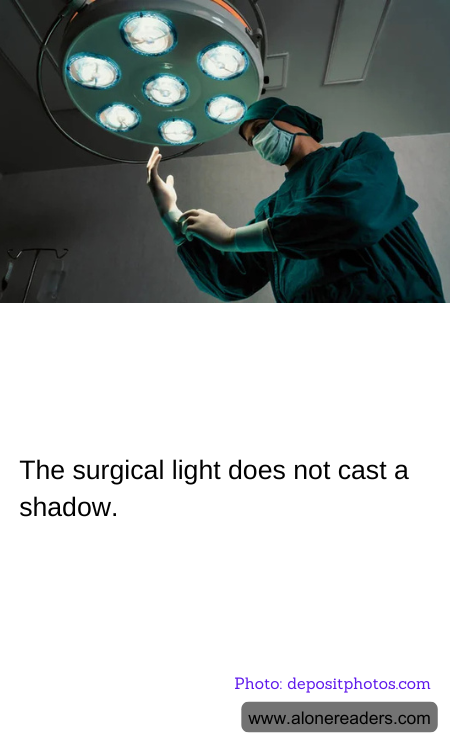
The concept of a shadowless surgical light might seem counterintuitive at first. After all, light typically casts shadows when it encounters an object. However, surgical lights are specifically designed to overcome this natural phenomenon. They achieve this through a combination of advanced technology and clever design. Surgical lights are equipped with multiple light sources arranged in a circular pattern. This configuration ensures that light is emitted from various angles, effectively filling in any shadows that might be cast by the surgeon's hands or instruments. As a result, the surgical field is uniformly illuminated, allowing for a clear and consistent view.
Moreover, the use of LED technology in modern surgical lights has further enhanced their shadowless capabilities. LEDs provide bright, focused light with minimal heat emission, which is essential in maintaining a comfortable environment in the operating room. The ability to adjust the intensity and focus of the light also allows surgeons to tailor the illumination to the specific needs of the procedure, ensuring optimal visibility at all times.
The importance of shadowless lighting in surgery cannot be overstated. It plays a critical role in reducing the risk of errors and complications during procedures. When a surgeon can see clearly without the interference of shadows, they are better equipped to make precise incisions and navigate complex anatomical structures. This level of visibility is particularly vital in delicate surgeries where even the smallest mistake can have significant consequences.
In addition to enhancing surgical precision, shadowless lights also contribute to the overall efficiency of the operating room. By providing consistent illumination, they reduce the need for frequent adjustments and repositioning, allowing the surgical team to focus on the task at hand. This efficiency not only improves the workflow but also contributes to better patient outcomes.
In conclusion, the shadowless surgical light is a testament to the advancements in medical technology that continue to improve the safety and effectiveness of surgical procedures. By eliminating shadows, these lights provide surgeons with the clarity they need to perform with confidence and accuracy. As technology continues to evolve, we can expect further innovations that will enhance the capabilities of surgical lighting, ensuring that the operating room remains a place where precision and excellence are the standards.