More About This Card
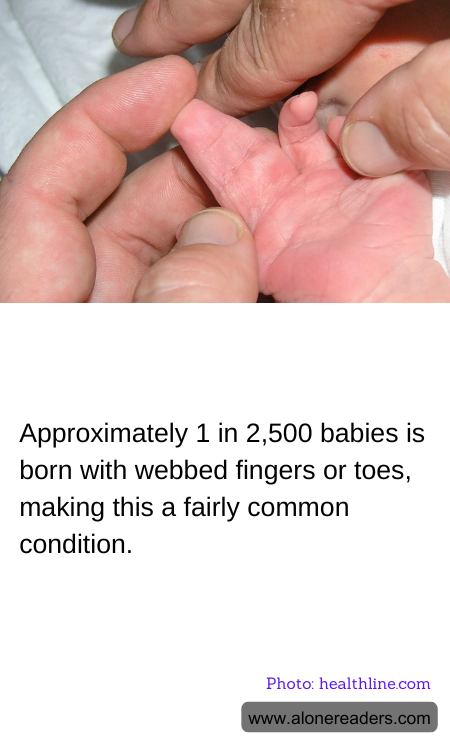
Webbed fingers or toes, medically known as syndactyly, is a condition that occurs in approximately 1 in 2,500 live births. This congenital anomaly, where two or more fingers or toes are fused together, is more common than many might realize. Despite its prevalence, syndactyly often goes unnoticed in discussions about common birth conditions, yet it holds significant interest for both medical professionals and families alike.
Syndactyly can vary in its presentation. In some cases, the fusion is simple, involving only the skin, while in others, it may be more complex, affecting bones and other tissues. The condition can occur in isolation or as part of a syndrome, and it is more frequently seen in males than females. While the exact cause of syndactyly is not always known, it is believed to result from genetic factors, and it can sometimes be inherited in families. However, environmental factors during pregnancy may also play a role.
For many children born with webbed fingers or toes, the condition is primarily a cosmetic concern and does not significantly impact their ability to use their hands or feet. However, in cases where the fusion is more extensive, it can affect functionality, making surgical intervention necessary. Surgery is typically performed when the child is between six months and two years old, allowing for normal development and minimizing potential complications. The procedure involves separating the fused digits and may include skin grafts to ensure proper healing and function.
Parents of children born with syndactyly often have questions and concerns about the condition. It is important for them to know that with appropriate medical care, most children can lead normal, active lives. Advances in surgical techniques have made it possible to achieve excellent outcomes, with minimal scarring and improved functionality. Additionally, support groups and resources are available for families seeking guidance and community support.
Raising awareness about syndactyly is crucial, as it helps dispel myths and reduce the stigma associated with physical differences. By understanding that webbed fingers or toes are a common and manageable condition, society can foster a more inclusive environment for those affected. Education and open dialogue can empower families and individuals to embrace their uniqueness and advocate for their needs.
In conclusion, while syndactyly is a fairly common condition, it is one that can be effectively managed with modern medical care. With the right support and treatment, children born with webbed fingers or toes can thrive and enjoy a full range of activities. As awareness grows, so too does the opportunity for acceptance and understanding, ensuring that every child has the chance to reach their full potential.