More About This Card
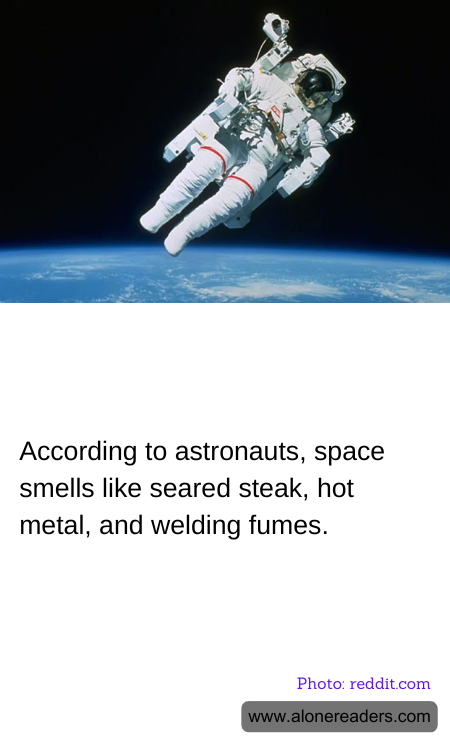
The vastness of space has long captivated the human imagination, with its infinite mysteries and boundless beauty. While much of space remains an enigma, astronauts who have ventured beyond Earth's atmosphere have shared intriguing insights into the sensory experiences of space travel. One of the most fascinating revelations is the peculiar scent of space, often described as a blend of seared steak, hot metal, and welding fumes.
This unique aroma is not something astronauts encounter while floating in the vacuum of space, where no air exists to carry scent. Instead, it is experienced when they return to the confines of their spacecraft after a spacewalk. As they re-enter the airlock and remove their helmets, the smell clings to their suits and equipment, offering a fleeting but memorable olfactory experience.
The source of this distinctive scent is believed to be a combination of factors. One theory suggests that it results from the interaction of space particles with the material of the spacecraft and spacesuits. In the vacuum of space, high-energy particles bombard the surfaces of these materials, causing chemical reactions that produce the metallic and smoky odors. Additionally, the intense heat generated by these interactions may contribute to the "seared steak" component of the smell.
Astronauts have likened the scent to various earthly experiences, each description adding a layer of intrigue to the phenomenon. Some compare it to the smell of a barbecue, while others note its resemblance to the aroma of a welding shop. This sensory connection to familiar smells on Earth provides a comforting, albeit brief, reminder of home for those who spend extended periods in the stark environment of space.
Understanding the scent of space is more than just a curiosity; it offers valuable insights into the conditions and materials encountered in the extraterrestrial environment. Scientists and engineers can use this information to improve the design and durability of spacecraft and spacesuits, ensuring the safety and comfort of astronauts on future missions.
The allure of space continues to inspire generations, and the accounts of astronauts provide a rare glimpse into the realities of life beyond our planet. The smell of space, with its unexpected and evocative qualities, serves as a reminder of the unique experiences that await those who dare to explore the final frontier. As humanity looks toward future missions to the Moon, Mars, and beyond, the sensory stories of space travelers will undoubtedly continue to enrich our understanding of the cosmos and our place within it.