More About This Card
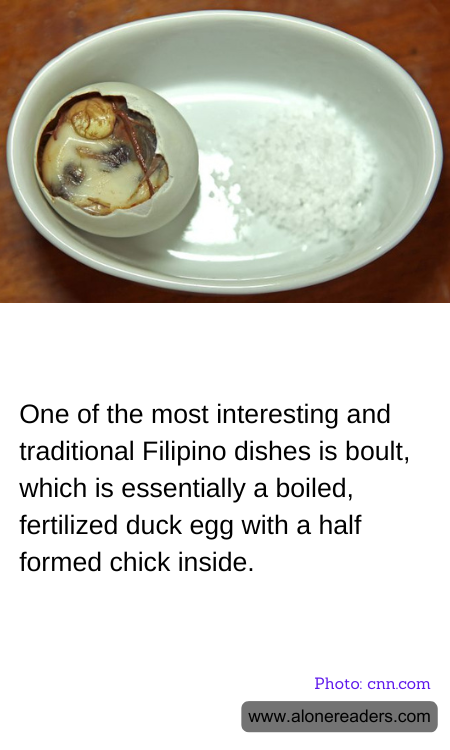
Balut, a traditional Filipino delicacy, is a dish that often piques the curiosity of adventurous eaters around the world. This unique culinary creation is essentially a fertilized duck egg that is boiled and eaten directly from the shell. What sets balut apart from other egg dishes is the presence of a partially developed duck embryo inside, which gives it a distinctive texture and flavor profile.
The origins of balut can be traced back to the Philippines, where it has been a staple street food for generations. It is commonly sold by vendors who roam the streets, especially in the evening, calling out to passersby. Balut is not only popular in the Philippines but also in other Southeast Asian countries, each with its own variation of the dish. Despite its widespread popularity, balut remains a dish that challenges the adventurous spirit of those unfamiliar with it.
Eating balut is an experience that engages all the senses. The process begins by cracking open the top of the egg and sipping the warm, flavorful broth inside. This broth is often seasoned with a pinch of salt or a splash of vinegar to enhance its taste. Once the broth is consumed, the rest of the egg is peeled to reveal the embryo, which is typically eaten with a bit of salt or chili. The texture of the embryo can vary, with some parts being tender and others slightly crunchy, depending on the age of the egg.
For many Filipinos, balut is more than just a snack; it is a source of nutrition and a symbol of cultural heritage. The dish is rich in protein and other nutrients, making it a popular choice for those seeking a quick and hearty meal. Moreover, balut is often associated with social gatherings and is considered a food that brings people together, whether it is shared among friends on a bustling street corner or enjoyed at family gatherings.
Despite its cultural significance, balut is not without controversy. Some people find the idea of eating a partially developed embryo unsettling, and animal rights advocates have raised concerns about the ethical implications of its production. However, for those who embrace it, balut is a testament to the diverse and rich culinary traditions of the Philippines.
In conclusion, balut is a dish that embodies the adventurous spirit of Filipino cuisine. It challenges perceptions and invites those who dare to try it into a world of unique flavors and textures. Whether viewed as a delicacy or a curiosity, balut remains an integral part of the Filipino culinary landscape, offering a taste of tradition and a glimpse into the cultural fabric of the Philippines.