More About This Card
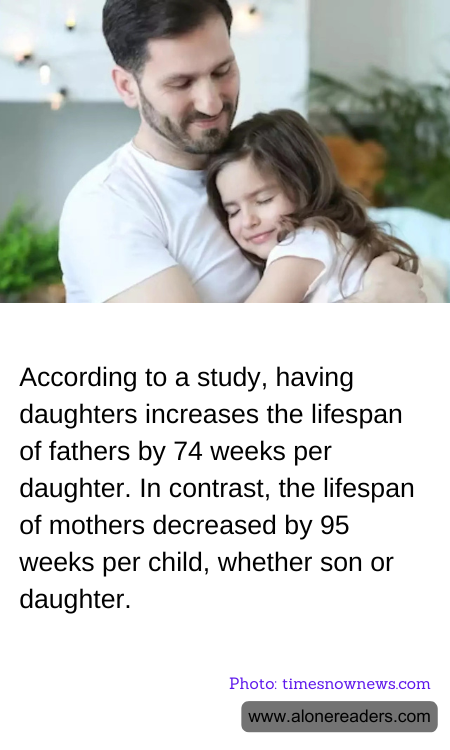
In a fascinating exploration of the interplay between family dynamics and longevity, a recent study has unveiled intriguing findings about the impact of having children on parental lifespans. The study suggests that fathers who have daughters may enjoy an extended lifespan, while mothers, regardless of the child's gender, might experience a reduction in their lifespan.
The research, which delves into the nuanced effects of parenthood on longevity, reveals that each daughter a father has could potentially increase his lifespan by approximately 74 weeks. This finding adds a new dimension to the understanding of familial relationships and their influence on health and longevity. The presence of daughters may contribute positively to fathers' lives, possibly due to the emotional bonds and social support that daughters often provide. Daughters might encourage healthier lifestyles, offer companionship, and provide care in later years, all of which could contribute to the increased lifespan of fathers.
Conversely, the study highlights a contrasting effect on mothers, whose lifespan appears to decrease by about 95 weeks per child, regardless of whether the child is a son or a daughter. This finding raises important questions about the unique challenges and stresses that motherhood may entail. The demands of child-rearing, coupled with societal expectations and the physical toll of childbirth, might contribute to this reduction in lifespan. Mothers often bear the brunt of caregiving responsibilities, which can lead to stress and reduced time for self-care, potentially impacting their health and longevity.
These findings underscore the complex and multifaceted nature of parenthood and its effects on health. While the study provides valuable insights, it also prompts further investigation into the underlying mechanisms driving these differences. Factors such as socioeconomic status, cultural norms, and access to healthcare could all play significant roles in shaping these outcomes.
The study serves as a reminder of the importance of supporting parents, particularly mothers, in balancing the demands of family life with their own health and well-being. Encouraging equitable sharing of parenting responsibilities and providing resources for parental support could help mitigate some of the negative impacts on mothers' health.
In conclusion, the study offers a thought-provoking perspective on how the gender of children can influence parental longevity. While fathers may benefit from the presence of daughters, mothers face unique challenges that could affect their lifespan. These findings highlight the need for a deeper understanding of the social and biological factors at play and underscore the importance of supporting parents in fostering healthy family environments.