More About This Card
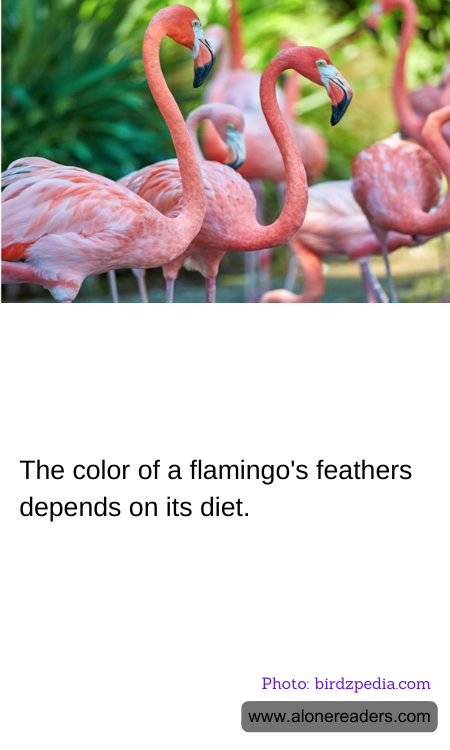
Flamingos are among the most recognizable birds in the world, known for their striking pink feathers and graceful stance. However, many people might be surprised to learn that flamingos are not born with their signature pink hue. Instead, the color of a flamingo's feathers is directly influenced by its diet, a fascinating aspect of their biology that underscores the intricate relationship between animals and their environment.
When flamingos hatch, their feathers are a dull gray or white. As they grow, their diet plays a crucial role in transforming their plumage into the vibrant pink shades that are so iconic. Flamingos feed primarily on algae, crustaceans, and small insects found in their wetland habitats. These food sources are rich in carotenoids, which are pigments that give carrots their orange color and tomatoes their red hue. In flamingos, carotenoids are broken down in the digestive system and absorbed into fats, which are then deposited in the skin and feathers, resulting in their pink coloration.
The intensity of a flamingo's color can vary significantly depending on the specific types of food available in their environment. For instance, flamingos that consume a diet high in carotenoid-rich foods, such as certain types of algae and brine shrimp, tend to have more vibrant pink or even reddish feathers. Conversely, flamingos with limited access to these foods may appear paler or even white. This variation in color is not just a matter of aesthetics; it can also play a role in social interactions and mating rituals. In many flamingo species, brighter colors are often associated with better health and vitality, making them more attractive to potential mates.
Interestingly, the relationship between diet and feather color is not unique to flamingos. Other birds, such as the American goldfinch and the scarlet ibis, also exhibit color changes based on their diet. However, flamingos are perhaps the most well-known example, and their striking transformation from drab chicks to vivid adults captures the imagination of bird enthusiasts and casual observers alike.
In zoos and wildlife parks, where flamingos are a popular attraction, their diet is carefully managed to ensure they maintain their vibrant appearance. Zookeepers often supplement their food with carotenoid-rich additives to mimic the natural diet they would consume in the wild. This practice not only helps maintain the birds' health but also ensures that visitors can enjoy the full spectacle of their colorful plumage.
The color of a flamingo's feathers is a testament to the intricate connections between diet, environment, and biology. It serves as a reminder of the delicate balance that exists in nature and the ways in which animals have adapted to thrive in their specific habitats. For those who admire these elegant birds, understanding the science behind their color only adds to the wonder and appreciation of their beauty.