More About This Card
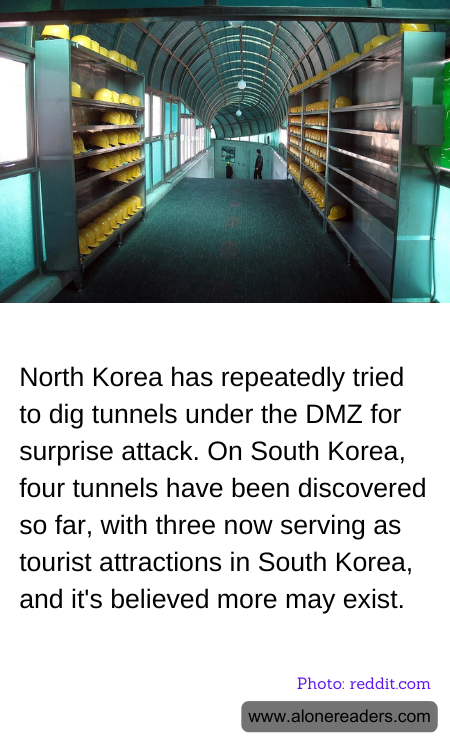
The Korean Peninsula, a region marked by its historical tensions and geopolitical significance, continues to capture global attention due to the ongoing conflict between North and South Korea. One of the more intriguing aspects of this conflict is the discovery of tunnels beneath the Demilitarized Zone (DMZ), which separates the two nations. These tunnels, believed to have been constructed by North Korea, were intended for surprise attacks on South Korea. To date, four such tunnels have been discovered, with three now serving as tourist attractions in South Korea.
The DMZ, established in 1953 following the Korean War armistice, is a heavily fortified border that stretches approximately 250 kilometers across the peninsula. Despite its name, the zone is one of the most militarized borders in the world. In this tense environment, the discovery of infiltration tunnels has added another layer of complexity to the already fraught relations between the two Koreas. The first tunnel was discovered in 1974, and subsequent discoveries in 1975, 1978, and 1990 have revealed the extent of North Korea's clandestine efforts to breach the border.
These tunnels, some of which are large enough to allow the passage of thousands of troops per hour, underscore the persistent threat of conflict in the region. The tunnels are believed to have been dug with the intent of launching surprise attacks on South Korean soil, bypassing the heavily fortified surface defenses. The discovery of these tunnels has prompted increased vigilance and security measures along the DMZ, as well as ongoing efforts to detect any additional tunnels that may exist.
In a unique twist, South Korea has transformed three of the discovered tunnels into tourist attractions, offering visitors a glimpse into the tense history of the Korean conflict. These sites provide educational tours that highlight the strategic importance of the tunnels and the broader context of the North-South divide. Visitors can walk through sections of the tunnels, gaining a firsthand understanding of the lengths to which North Korea has gone to challenge its southern neighbor.
Despite the transformation of these tunnels into tourist sites, the underlying tensions between North and South Korea remain unresolved. The existence of these tunnels serves as a stark reminder of the potential for conflict and the need for continued vigilance and diplomatic efforts to ensure peace on the peninsula. As the world watches, the hope is that dialogue and cooperation will eventually replace the need for such covert measures, paving the way for a more stable and peaceful future for both Koreas.