More About This Card
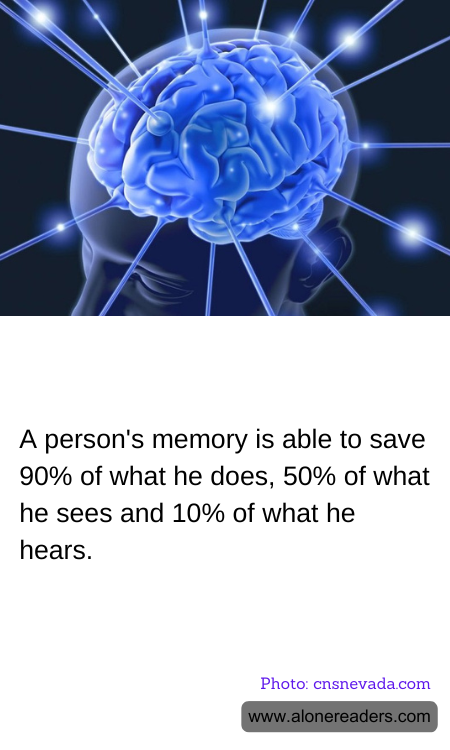
In the intricate tapestry of human cognition, memory plays a pivotal role in shaping our understanding of the world. It is fascinating to consider how our memory processes different types of information, particularly when we examine the varying degrees of retention associated with doing, seeing, and hearing. Research suggests that individuals retain approximately 90% of what they do, 50% of what they see, and a mere 10% of what they hear. This insight into memory retention not only highlights the importance of active engagement but also underscores the need for diverse learning strategies.
The high retention rate associated with doing can be attributed to the concept of experiential learning. When individuals actively participate in an activity, they engage multiple senses and cognitive processes, which reinforces memory retention. This hands-on approach allows for the creation of strong neural connections, making it easier to recall information later. For instance, when learning a new skill, such as riding a bicycle or cooking a recipe, the act of physically performing the task embeds the experience into memory more effectively than simply reading or hearing about it.
Visual stimuli also play a significant role in memory retention, with individuals remembering about 50% of what they see. This is because the human brain is wired to process visual information efficiently. Visual aids, such as diagrams, charts, and videos, can enhance understanding and recall by providing concrete representations of abstract concepts. The power of visualization is evident in educational settings, where teachers often use visual tools to complement verbal instructions, thereby catering to different learning styles and improving overall comprehension.
In contrast, auditory information tends to be less memorable, with only about 10% of what is heard being retained. This lower retention rate can be attributed to the transient nature of sound, which lacks the permanence of visual or experiential stimuli. However, this does not diminish the importance of auditory learning. Techniques such as repetition, active listening, and the use of mnemonic devices can help improve auditory memory. Additionally, combining auditory information with visual and kinesthetic elements can create a more holistic learning experience, enhancing overall retention.
Understanding these differences in memory retention can have profound implications for education, communication, and personal development. By recognizing the strengths and limitations of each sensory modality, individuals can tailor their learning strategies to maximize retention. For educators, incorporating a mix of hands-on activities, visual aids, and auditory elements can cater to diverse learning preferences and improve educational outcomes. Similarly, in everyday life, being mindful of how we engage with information can lead to more effective communication and a deeper understanding of the world around us.
In conclusion, the ability of a person's memory to save varying percentages of what they do, see, and hear underscores the importance of active engagement and multisensory learning. By leveraging the strengths of each sensory modality, individuals can enhance their memory retention and enrich their cognitive experiences. Whether in educational settings or daily interactions, understanding the nuances of memory can empower us to become more effective learners and communicators.