More About This Card
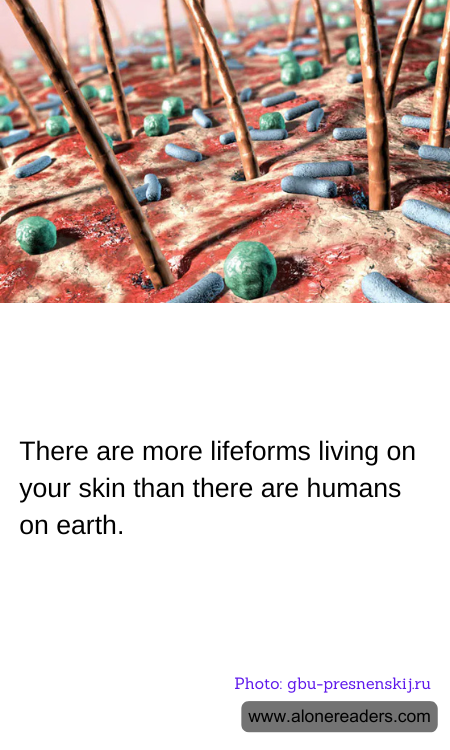
The human skin, often considered merely a protective barrier, is a bustling ecosystem teeming with life. It might be surprising to learn that more lifeforms live on your skin than there are humans on Earth. This microscopic community, known as the skin microbiome, includes bacteria, fungi, viruses, and even tiny mites, all coexisting in a delicate balance.
The skin microbiome is an essential component of our overall health. It plays a crucial role in protecting against pathogens, aiding in wound healing, and even influencing our immune system. The diversity of life on our skin is staggering, with estimates suggesting that there are over 1,000 different species of bacteria alone. These microorganisms are not randomly distributed but are instead adapted to thrive in specific environments on the body. For instance, the bacteria found on the oily skin of the forehead differ significantly from those inhabiting the dry skin of the forearm.
This microscopic world is not just a passive passenger on our bodies; it actively interacts with us. The skin microbiome helps to maintain the skin's pH balance and produces antimicrobial substances that fend off harmful invaders. Moreover, it communicates with our immune system, teaching it to distinguish between friend and foe. This interaction is crucial for preventing overreactions that could lead to allergies or autoimmune diseases.
Despite its importance, the skin microbiome is a fragile ecosystem. Factors such as diet, hygiene practices, and environmental changes can disrupt its balance, potentially leading to skin conditions like acne, eczema, or psoriasis. Modern lifestyles, with their emphasis on cleanliness and the widespread use of antibacterial products, can inadvertently strip the skin of its beneficial microbes. This has led to a growing interest in probiotic skincare products designed to support and restore the natural microbiome.
Understanding the skin microbiome is still an emerging field, but its potential implications for health and wellness are vast. Researchers are exploring how manipulating this ecosystem could lead to new treatments for skin disorders and even systemic diseases. As we learn more, it becomes increasingly clear that maintaining a healthy skin microbiome is as important as caring for any other organ in the body.
In conclusion, the idea that more lifeforms live on our skin than there are humans on Earth is a testament to the complexity and wonder of the human body. This invisible world is a vital part of who we are, influencing our health in ways we are only beginning to understand. Embracing this knowledge encourages us to treat our skin with the care and respect it deserves, recognizing it not just as a barrier, but as a vibrant, living ecosystem.