More About This Card
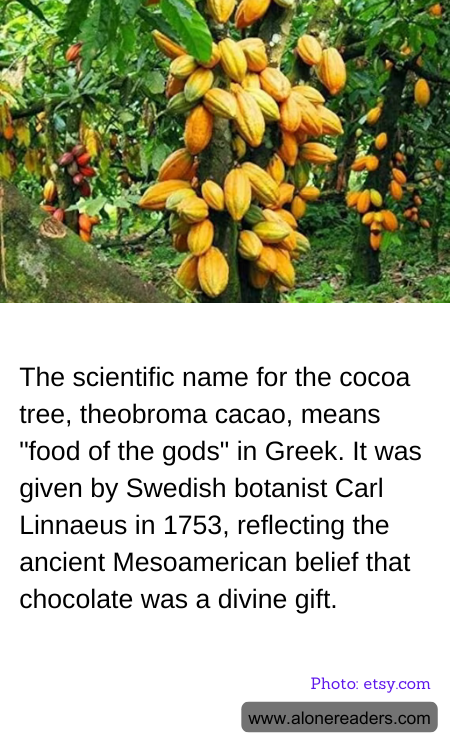
The cocoa tree, scientifically known as Theobroma cacao, holds a name that translates to "food of the gods" in Greek. This designation was bestowed upon it by the renowned Swedish botanist Carl Linnaeus in 1753. Linnaeus's choice of name was not merely a reflection of the botanical characteristics of the plant but also a nod to the rich cultural and historical significance that chocolate held in ancient Mesoamerican civilizations.
The reverence for chocolate dates back thousands of years, with its roots deeply embedded in the cultures of the Aztecs and the Maya. These civilizations regarded chocolate as a divine gift, a belief that was intertwined with their religious and social practices. The cacao beans were so valued that they were used as currency and were often consumed in ceremonial rituals. The Aztecs, in particular, believed that cacao was a gift from their god Quetzalcoatl, who was said to have brought the seeds from paradise. The drink made from these beans was reserved for the elite, warriors, and priests, underscoring its sacred status.
Linnaeus's naming of the cocoa tree as Theobroma cacao was a fitting tribute to this rich legacy. The term "Theobroma" combines the Greek words "theos," meaning god, and "broma," meaning food, thus encapsulating the divine connotations associated with chocolate. This nomenclature reflects not only the historical significance of cacao but also its enduring allure across cultures and centuries.
Today, chocolate continues to be celebrated worldwide, transcending its ancient origins to become a beloved treat enjoyed by people of all ages. Its journey from the sacred rituals of Mesoamerican civilizations to the global phenomenon it is today is a testament to its universal appeal. The process of transforming cacao beans into chocolate involves a complex interplay of art and science, preserving the mystique and allure that have surrounded it for millennia.
In modern times, chocolate is not just a delicacy but also a subject of scientific interest. Studies have explored its potential health benefits, including its antioxidant properties and its role in enhancing mood and cognitive function. This ongoing fascination with chocolate underscores its status as a "food of the gods," a title that continues to resonate with its rich history and cultural significance.
The legacy of Theobroma cacao is a reminder of the profound impact that a single plant can have on human culture and history. From its divine origins in the ancient world to its place in contemporary society, chocolate remains a symbol of indulgence, celebration, and connection. As we savor each bite, we partake in a tradition that spans continents and centuries, a testament to the enduring power of this extraordinary "food of the gods."