More About This Card
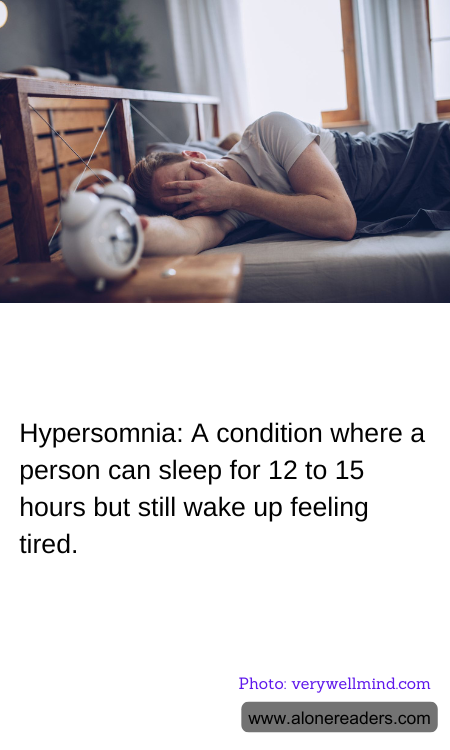
Hypersomnia is a sleep disorder characterized by excessive sleepiness, where individuals can sleep for extended periods, often ranging from 12 to 15 hours, yet still wake up feeling unrefreshed and fatigued. This condition can significantly impact daily life, affecting productivity, mood, and overall well-being. Unlike the occasional desire to sleep in on weekends, hypersomnia is a persistent condition that can interfere with a person's ability to function effectively in their personal and professional lives.
The causes of hypersomnia can be varied and complex. It may be linked to other sleep disorders such as sleep apnea or narcolepsy, where the quality of sleep is compromised, leading to excessive daytime sleepiness. In some cases, it may be related to neurological conditions, depression, or the side effects of certain medications. Additionally, lifestyle factors such as irregular sleep schedules, poor sleep hygiene, and excessive consumption of alcohol or caffeine can exacerbate the symptoms. Understanding the underlying cause is crucial for effective management and treatment.
Living with hypersomnia can be challenging, as it often leads to difficulties in maintaining concentration, memory, and alertness. This can result in decreased performance at work or school and may strain social relationships. Individuals with hypersomnia may also experience feelings of frustration and isolation, as their condition is often misunderstood by others who may perceive them as lazy or unmotivated. It is important for those affected to seek medical advice and support to address these challenges.
Treatment for hypersomnia typically involves a combination of lifestyle changes, medication, and therapy. Establishing a regular sleep schedule, creating a restful sleep environment, and avoiding stimulants before bedtime can help improve sleep quality. In some cases, doctors may prescribe medications such as stimulants or antidepressants to help manage symptoms. Cognitive-behavioral therapy can also be beneficial in addressing any underlying psychological issues and developing coping strategies.
Raising awareness about hypersomnia is essential to ensure that those affected receive the understanding and support they need. It is important for society to recognize that hypersomnia is a legitimate medical condition, not simply a matter of choice or laziness. By fostering a more informed and empathetic perspective, we can help individuals with hypersomnia lead more fulfilling and productive lives.