More About This Card
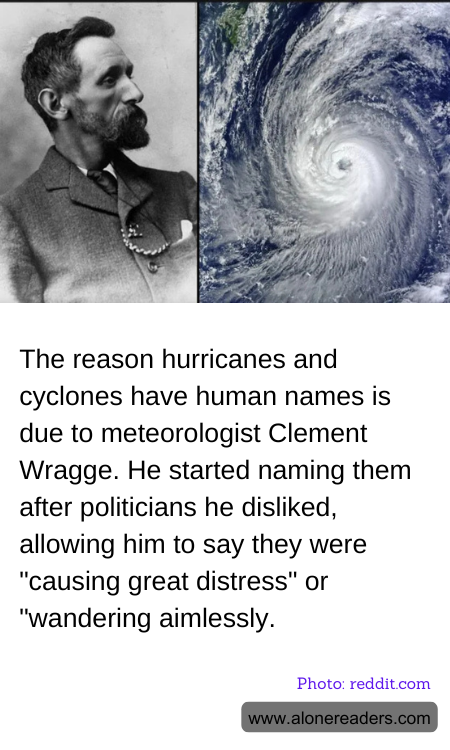
The tradition of naming hurricanes and cyclones, which has become a standard practice in meteorology, has an intriguing and somewhat humorous origin. It all began with Clement Wragge, an eccentric and innovative meteorologist from Australia in the late 19th century. Wragge, known for his flamboyant personality and pioneering weather forecasting techniques, introduced the idea of naming these formidable storms after people, particularly politicians he held in low regard.
Clement Wragge's decision to name storms after politicians was not just a whimsical choice but a clever way to express his disdain for certain public figures. By assigning their names to destructive and unpredictable weather events, Wragge could humorously claim that these politicians were "causing great distress" or "wandering aimlessly," much like the storms themselves. This practice allowed him to inject a bit of levity into the serious business of weather forecasting while also making a pointed commentary on the political landscape of his time.
Wragge's approach to naming storms was not only entertaining but also practical. By giving storms human names, he made it easier for the public to remember and discuss them. This method of naming also helped in communicating warnings and updates more effectively, as people were more likely to pay attention to a storm with a memorable name. Although Wragge's original intent was satirical, the practice proved to be so useful that it eventually became formalized.
Today, the World Meteorological Organization maintains a rotating list of names for hurricanes and cyclones, ensuring that each storm is given a unique and easily recognizable identity. While the names are no longer chosen based on personal vendettas or political commentary, the tradition that Clement Wragge started continues to serve an important purpose in meteorology. It helps to humanize these natural phenomena, making them more relatable and easier to communicate about, which is crucial for public safety and awareness.
In retrospect, Clement Wragge's innovative approach to naming storms has had a lasting impact on the field of meteorology. His blend of humor and practicality has not only provided a legacy of colorful storm names but also highlighted the importance of effective communication in weather forecasting. As we continue to face the challenges posed by hurricanes and cyclones, the tradition of naming these storms serves as a reminder of the creativity and ingenuity that can arise from even the most unexpected sources.